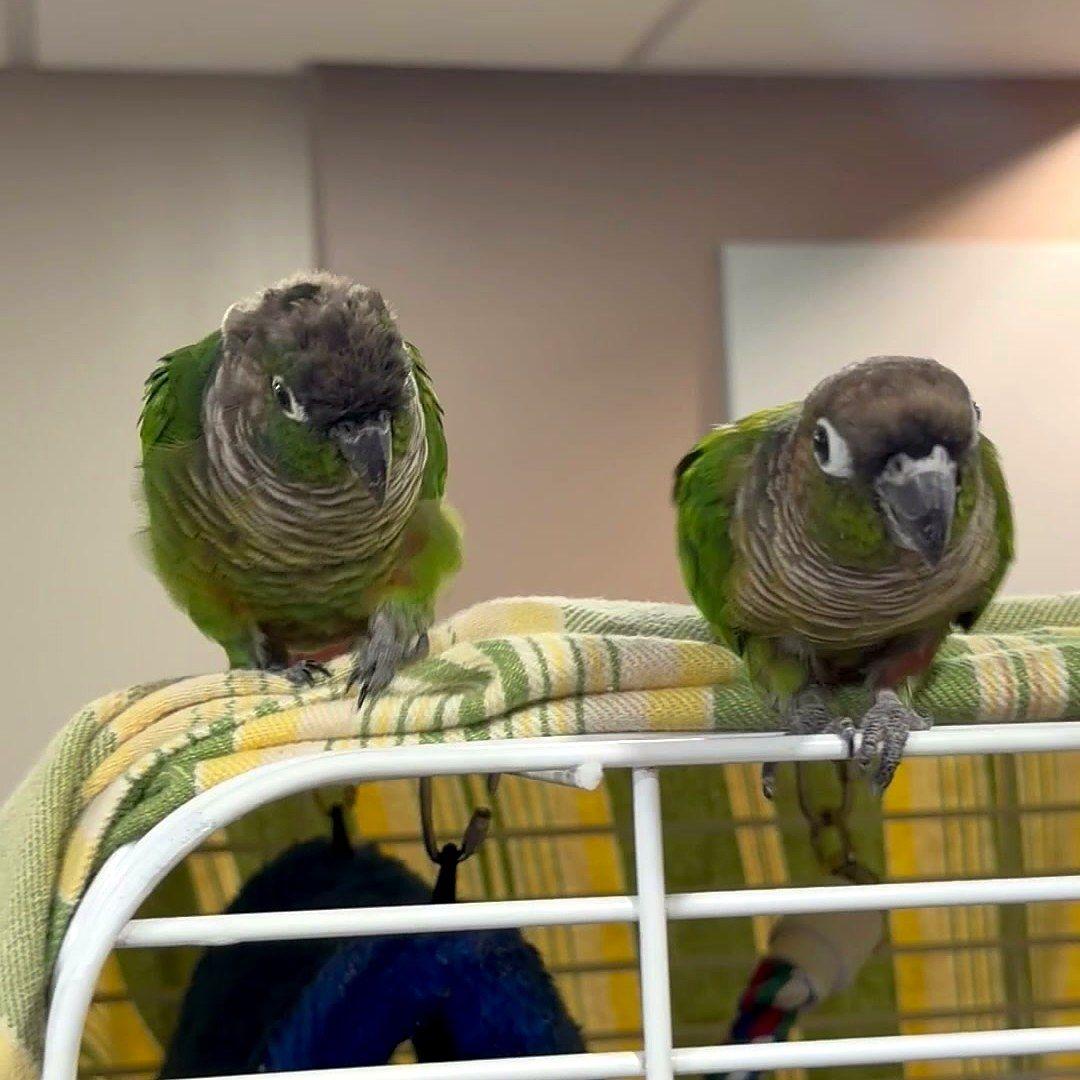
Short answer: plan on someone seeing your bird at least once every day. A healthy adult bird can be fine on its own for a normal working day, and some owners stretch that to one night with full food and water. Past 24 hours, the risks stack up quickly: a tipped water dish, a bowl that looks full but is only empty husks, a toe caught in a toy, or a bird that is quietly unwell. For a weekend away or longer, your bird needs someone who checks on it every day, or a boarding stay.
That is the rule we give every owner who asks us. The rest of this guide explains why, what changes with the size and type of bird, and how to set things up whatever you choose.
Why A Day Is The Limit For Most Birds
Birds are small animals with fast bodies. A budgie or a finch eats and drinks many times a day, and it has very little in reserve if food or water runs out. Larger parrots carry more reserve, but they bring other risks: they are strong, curious and very good at taking things apart.
The problems we see most often are not dramatic. They are small things that nobody noticed in time:
- Water. Birds bathe in their water, drop food in it and sometimes knock the dish over. Water that was clean in the morning can be dirty or gone by evening.
- Seed bowls full of husks. Seed-eating birds crack the seed and leave the hull in the bowl. From the doorway it looks full. Underneath, there may be nothing left to eat.
- A caught toe or band. Rope toys fray, rings snag, and a bird can get stuck and panic.
- Illness hides. Birds are good at hiding when they feel unwell. A fluffed-up, quiet bird is a sign to act that day, not in three days.
- The house itself. A furnace that stops, a window left open, a power cut in winter, a smoke alarm going off. Someone needs to be there to notice.
How Long Each Kind Of Bird Can Go Between Checks
These are the working rules we use when owners ask. Your avian vet knows your bird best, so check with them if your bird has a health condition.
| Bird | How long between checks |
|---|---|
| Finches, canaries | Fine for a workday with fresh food and water. Overnight only if someone checks on them. Two days or more: daily care. |
| Budgies, lovebirds, parrotlets | Fine for a workday. Overnight only if someone checks on them. Two days or more: daily care. |
| Conures, Quakers, cockatiels | Fine for a workday with toys to keep busy. Overnight only if someone checks on them. Two days or more: daily care, plus company. |
| African greys, Amazons, cockatoos, macaws | Fine for a workday with toys to keep busy. Overnight only if someone checks on them. Two days or more: daily care and time out of the cage. |
The bigger the parrot, the more the question moves from food and water to company. Large parrots are social and clever. Days alone in a quiet house can lead to screaming, chewing and feather plucking, even when the food bowl is full.
Automatic Feeders And Water Bottles Are Not A Sitter
A gravity feeder or a large water bottle can be a useful backup, but it cannot replace a person:
- A bird that has always drunk from a dish may not use a bottle, or may not use it enough.
- Gravity feeders jam, and they fill with husks just like a bowl.
- Neither one notices a bird that is sick, stuck or frightened.
If you want to use one as a backup, set it up at least a week before you leave and watch your bird use it.
Your Three Options When You Go Away
1. A Friend Or Neighbour Who Visits Every Day
This works for a short trip if the person is calm with birds, comes every day, and knows what normal looks like for your bird. Leave them written notes: how much food, how to change the water, your vet’s number, and what a sick bird looks like (fluffed up, sleeping on the cage floor, not eating, droppings that change suddenly).
2. A Sitter Who Comes To Your Home
A sitter who knows birds visits your home and looks after them there. It suits birds that cope badly with change, and owners who have someone they trust. Ask how often they will come, how long they will stay, and what they will do if your bird seems unwell. We do not do home visits ourselves. Birds come to stay with us.
3. Bird Boarding
Your bird stays with someone who looks after birds every day. This is what we do at Bird Sitting Toronto: birds stay in our family home in Mississauga, come out of the cage for about 4 to 6 hours a day, and you get a photo and video update every day in the BST Mobile App. Prices start at $15.95 per bird per day for small birds and go up by the size of your bird. You can see the full price list or get your exact price online in about a minute.
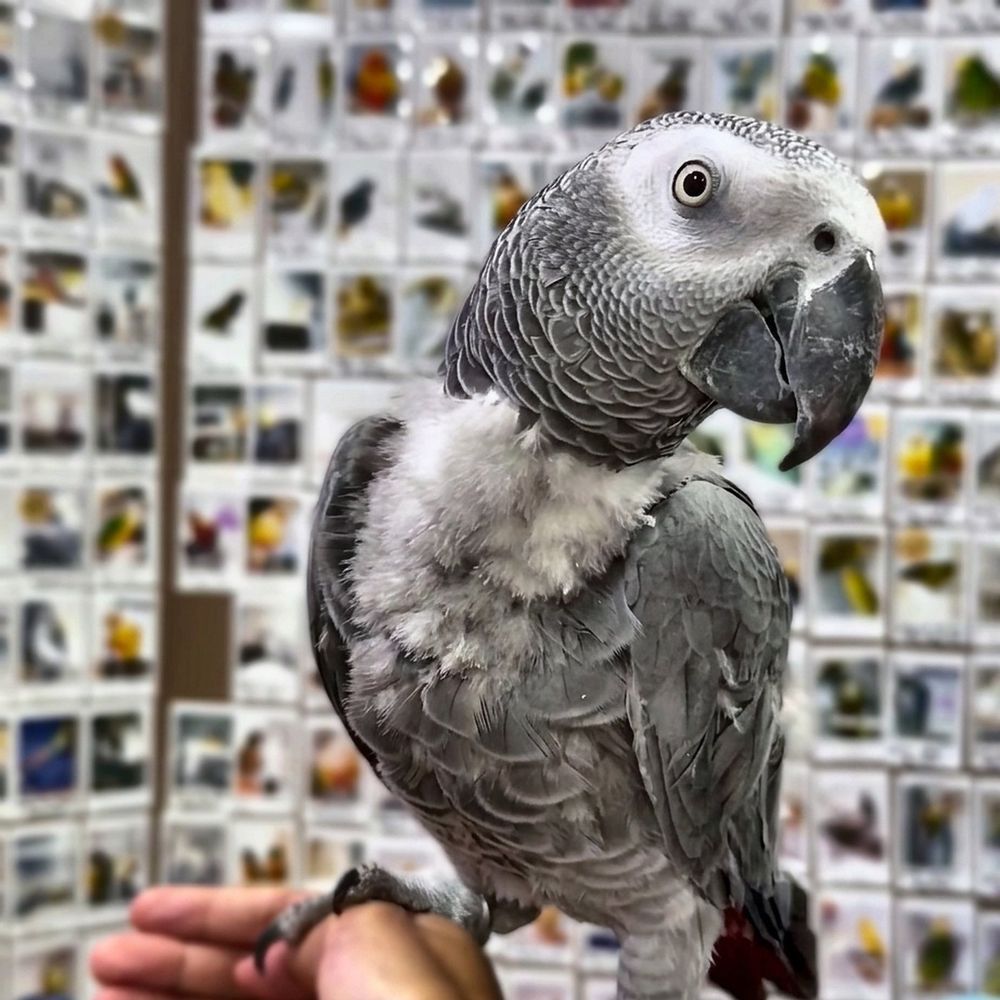
Boarding is the safest choice for longer trips because your bird is looked after through the whole day, not on one short visit. If you are going away for more than a weekend, it is the option we recommend. Our bird sitting page explains how a stay works.
Before You Leave, Whatever You Choose
- Write down your bird’s normal food, amounts and treats.
- Leave your avian vet’s name and number. Our list of avian vets in Ontario can help if you do not have one yet.
- Check the cage for frayed rope, loose parts and worn perches.
- Keep the room at a steady temperature, away from drafts and kitchen fumes.
- If your bird is boarding, pack its usual food and a favourite toy. Our bird travel kit list covers the rest.
Going away soon? Check your dates and see your price online.
Frequently Asked Questions
Can I Leave My Bird Alone For A Weekend?
We do not recommend it. Two days without a check means two days where a spilled water dish, an empty seed bowl or an injury goes unnoticed. Ask someone to visit every day, or book a short boarding stay.
Can I Leave My Bird Alone For A Week?
No. A week alone is not safe for any pet bird, even with automatic feeders. Your bird needs daily care, either from a sitter who visits or in boarding.
Is It OK To Leave My Bird Alone While I Work?
Yes, for a normal working day, as long as your bird has fresh food and water, toys, and time with you before and after. Many birds sleep and rest for part of the day.
Does It Matter If I Have Two Birds?
A companion can help with boredom, but two birds still need food, water and a check every day. Two birds can also fight or knock things over, so a daily check matters just as much.
How Much Does It Cost To Board A Bird Near Toronto?
At Bird Sitting Toronto, boarding is $15.95 per bird per day for small birds, $21.50 for medium, $26.75 for large and $32.25 for extra large. Longer stays are charged at a lower rate per day, and statutory holidays add half a night per bird.