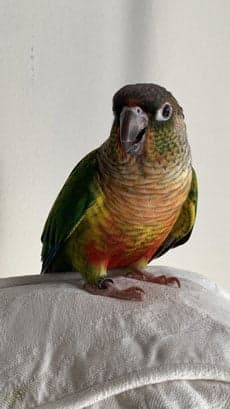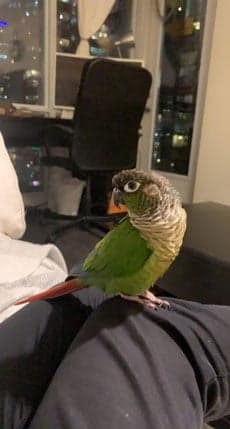

Parrots are known for their intelligence, vibrant colors, and surprisingly long lifespans—but how long do parrots live in the wild compared to captivity?
Read More: Parrots are known for their intelligence, vibrant colorsShow Less
The answer depends on species, environment, and daily survival challenges. While some parrots can live for decades, many face constant threats that significantly reduce their lifespan in the wild.
In this guide, we break down parrot lifespan in the wild, what affects their longevity, and why conservation plays a critical role in their survival.
Parrot lifespan varies greatly depending on species:
- Small parrots (budgies, lovebirds): 5–15 years
- Medium parrots (cockatiels, conures): 10–30 years
- Large parrots (macaws, African greys): 30–60+ years
However, most parrots live shorter lives in the wild than in captivity due to environmental risks and lack of protection.
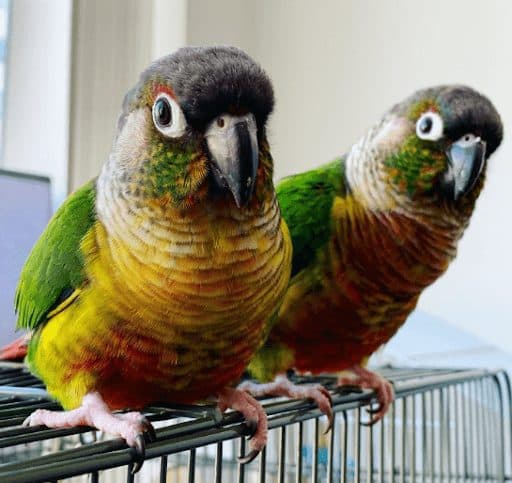
What Affects A Parrot’s Lifespan In The Wild?
Several key factors influence how long parrots survive:
Read More: Several key factors influence how long parrots surviveShow Less
Predators
Wild parrots constantly face threats from birds of prey, snakes, and mammals.
Food Availability
Seasonal shortages of fruits, seeds, and vegetation can impact survival.
Habitat Loss
Deforestation and human activity reduce nesting and feeding areas.
Disease & Injury
Without veterinary care, even minor injuries can become fatal.
Competition
Parrots compete with other wildlife for food and territory.
All of these challenges make survival difficult and unpredictable.
Wild Vs Captive Parrot Lifespan
Parrots in captivity often live significantly longer due to:
- Consistent, balanced nutrition
- Protection from predators
- Veterinary care
- Stable environments
In contrast, wild parrots must survive daily threats, which lowers their average lifespan.
Example: African grey parrots live around 22 years in the wild vs up to 60 years in captivity.
Why Do Some Parrots Live So Long?
Parrots are among the longest-living birds because of:
- High intelligence and adaptability
- Strong social structures
- Slow aging processes
- Larger body size (in some species)
Some species can even exceed several decades under ideal conditions.
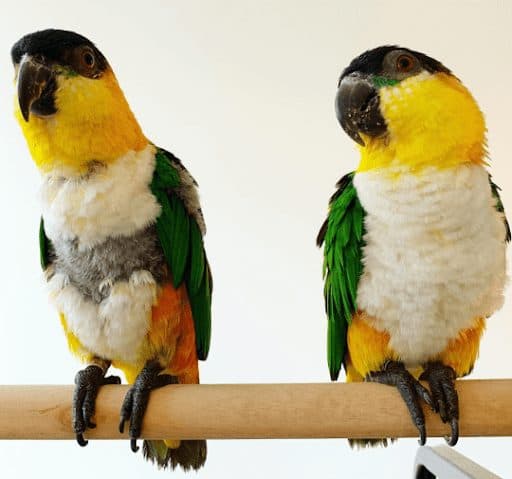
The Role Of Conservation
Many parrot species are now threatened due to:
- Habitat destruction
- Illegal pet trade
- Climate change
These factors not only reduce population numbers but also shorten lifespans in the wild.
Protecting forests, regulating trade, and supporting conservation organizations are essential to ensuring parrots survive for future generations.
What This Means For Parrot Owners In Toronto
Many pet parrots come from species that evolved in the wild. Understanding their natural lifespan helps owners provide better care.
At Bird Sitting Toronto, we focus on:
- Proper nutrition
- Mental stimulation
- Safe environments
- Daily interaction
This helps support longer, healthier lives for parrots in our care.
Why This Matters In Toronto
Even though parrots don’t naturally live in Canada, their survival challenges still matter.
Many pet parrots are descendants of wild populations, and their needs are shaped by those origins. Understanding this helps us:
- Improve bird care
- Support ethical ownership
- Promote conservation awareness
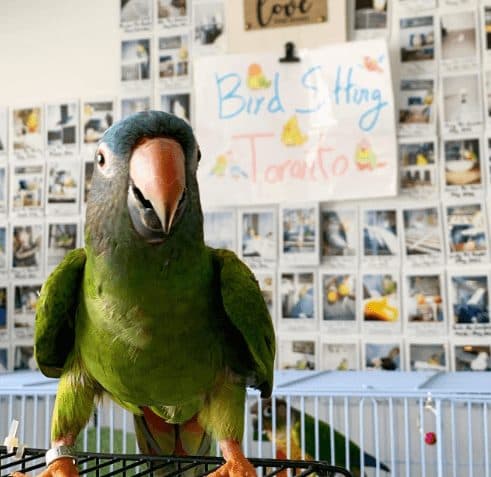
Connecting To Parrot Rescue In Ontario, Canada
Sadly, despite their potential for long lives, many parrots end up in situations where they need help. This is where organizations dedicated to parrot rescue Ontario Canada play a vital role. These dedicated groups provide sanctuary, rehabilitation, and often rehoming services for parrots who have been neglected, abandoned, or can no longer be cared for by their owners.
Read More: Sadly, despite their potential for long lives, many · 2 min readShow Less
Understanding the natural lifespan and the challenges faced by wild parrots can inspire us to support these rescue efforts. By providing a safe and enriching environment for our pet parrots and supporting conservation and rescue organizations, we can contribute to the well-being of these intelligent and captivating birds, whether they are soaring through the rainforest or living in a loving home in Toronto.
At Bird Sitting Toronto, we are committed to providing the best possible care for your beloved parrots while you’re away. Understanding their natural history and the challenges their wild relatives face only deepens our appreciation for these amazing creatures. If you have any questions about your parrot’s care or want to learn more about parrot welfare, please don’t hesitate to ask!
FAQ 1: Biggest threat to wild parrot lifespan? Habitat destruction is key, eliminating homes and food.
This wild reality underscores the importance of conservation, especially considering many pet parrots’ origins. Threats like habitat loss and the illegal pet trade significantly impact wild populations.
FAQ 2: Wild vs. pet parrot lifespan? Well-cared-for pets often outlive wild parrots due to fewer threats.
Understanding these challenges highlights the vital work of parrot rescue Ontario Canada organizations, which aid neglected or abandoned birds. Supporting them and ethical pet ownership helps these intelligent creatures.
FAQ 3: How does the illegal pet trade affect wild lifespans? It causes high mortality during capture and transport, and shortens the lives of survivors due to stress and poor care.
FAQ 4: How can Torontonians help wild parrots? Support conservation organizations and ethical pet sourcing. Local parrot rescue Ontario Canada groups also need our help.
FAQ 5: Any wild parrots in Canada? Not native, though escaped pets may form small, local populations.
FAQ 6: How long do parrots live in the wild?
It depends on the species, but most live between 5 and 60 years.
FAQ 7: Why do parrots live shorter lives in the wild?
Predators, food scarcity, disease, and habitat loss all contribute to shorter lifespans.
FAQ 8: Which parrots live the longest?
Large species like macaws and African greys can live several decades.
FAQ 9: Do parrots live longer in captivity?
Yes, due to better care, safety, and nutrition.
At Bird Sitting Toronto, understanding the wild lives of parrots informs our care for your feathered companions. Contact us with any questions about your parrot’s well-being!