
Read this first. Regulations change without notice and avian influenza zones can change with little warning. This page is guidance, not authorisation. Confirm every requirement with CFIA, APHIS, USFWS and ECCC before you travel — contact numbers are at the bottom of this page. Do not book a flight or drive to a border on the strength of this page alone.
Almost every parrot species is protected under CITES, and only four common companion birds are excluded entirely. Whether yours needs an export permit, an import permit, or nothing at all depends on which CITES Appendix it sits in — and that answer varies by species, not by “parrot” as a category.
In this guide
- Why Your Parrot Is Covered By An International Wildlife Treaty
- The Only Four Parrots CITES Doesn’t Touch
- African Greys: The Mistake That’s Still Circulating Online
- Appendix I Vs Appendix II: What Actually Changes For You
- Species-By-Species Lookup: Is Your Parrot Listed?
- The Certificate Of Ownership: The Paperwork Most Owners Never Hear About
- What About Appendix III?
- CITES Is Not The Same Thing As A Health Import Permit
- Frequently Asked Questions
- The Step That Gets Missed: Your Permit Has To Be Validated On The Way Out
- Related Guides In This Series
- Who To Call Before You Travel
- What We Can And Cannot Help With
- Corrections
Why Your Parrot Is Covered By An International Wildlife Treaty
The Convention on International Trade in Endangered Species (CITES) regulates cross-border movement of listed wildlife, including live animals owned as pets. The order Psittaciformes — parrots, macaws, cockatoos, conures, lovebirds, and their relatives — is essentially covered in full. Per the official CITES Appendices, all Psittaciformes are included except four named species, which sit outside CITES altogether (Verified 28 July 2026 against the official Checklist of CITES Species, published by UNEP-WCMC on behalf of the CITES Secretariat: the order Psittaciformes is listed at order level with the annotation “Included in Appendix II, except for the species included in Appendix I and Agapornis roseicollis, Melopsittacus undulatus, Nymphicus hollandicus and Psittacula krameri, which are not included in the Appendices.”
Read More: Why Your Parrot Is Covered By An InternationalShow Less
A record-by-record check of all 459 Psittaciformes entries in the checklist returns exactly these four species as not currently listed. Listings can change at each Conference of the Parties, so re-check your own species before you travel.org/eng/app/appendices.php”>see the current Appendices at cites.org).
That means the question isn’t “does CITES apply to parrots” — it almost always does. The real question is which Appendix your species falls into, because that decides whether you need one permit, two permits, or none.
The Only Four Parrots CITES Doesn’t Touch
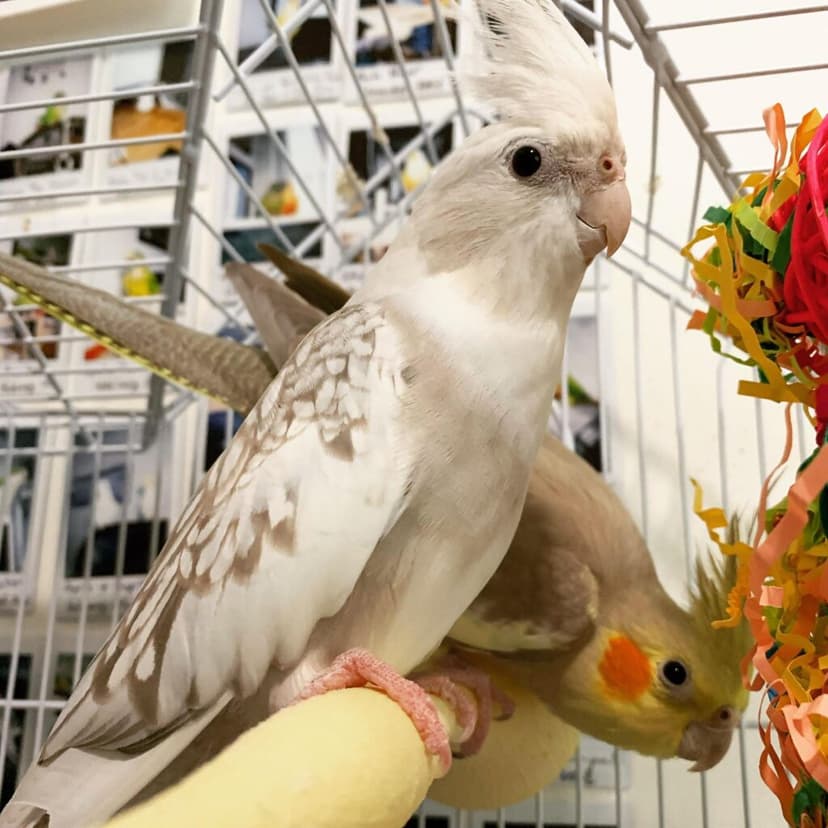
These four species are not listed in any CITES Appendix, so no CITES export or import permit is required for them at all:
| Common name | Scientific name |
|---|---|
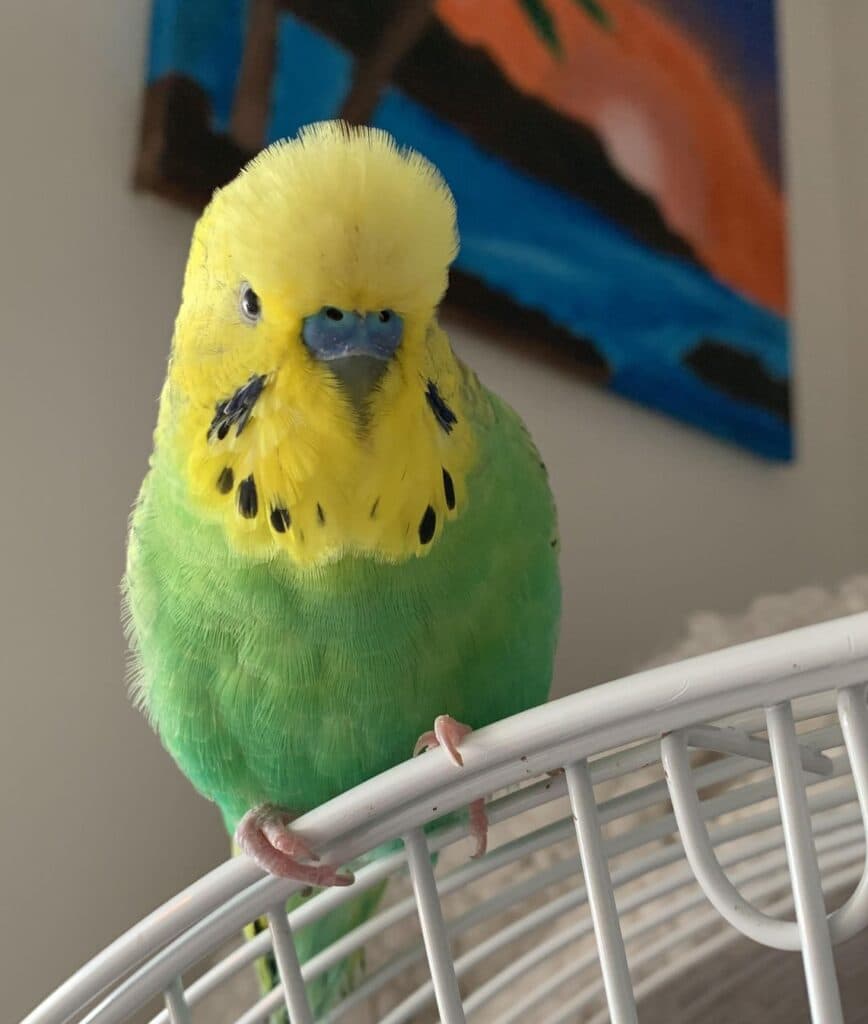
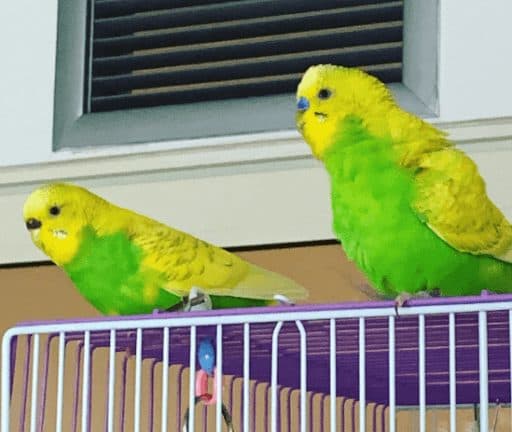
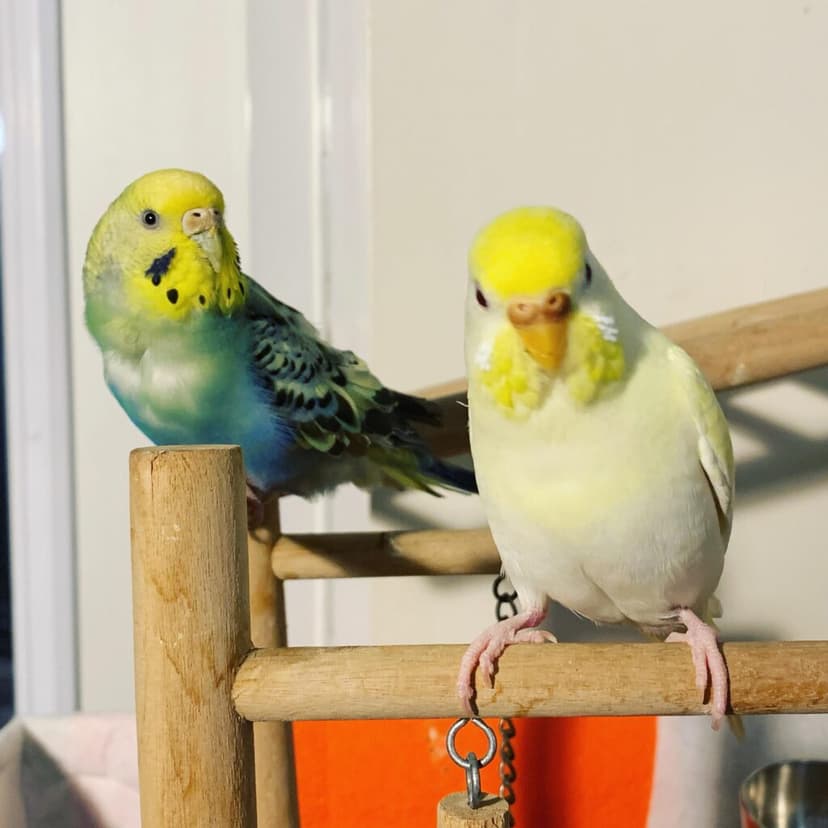
| Budgerigar | Melopsittacus undulatus |
| Cockatiel | Nymphicus hollandicus |
| Rose-ringed (Indian Ringneck) Parakeet | Psittacula krameri |
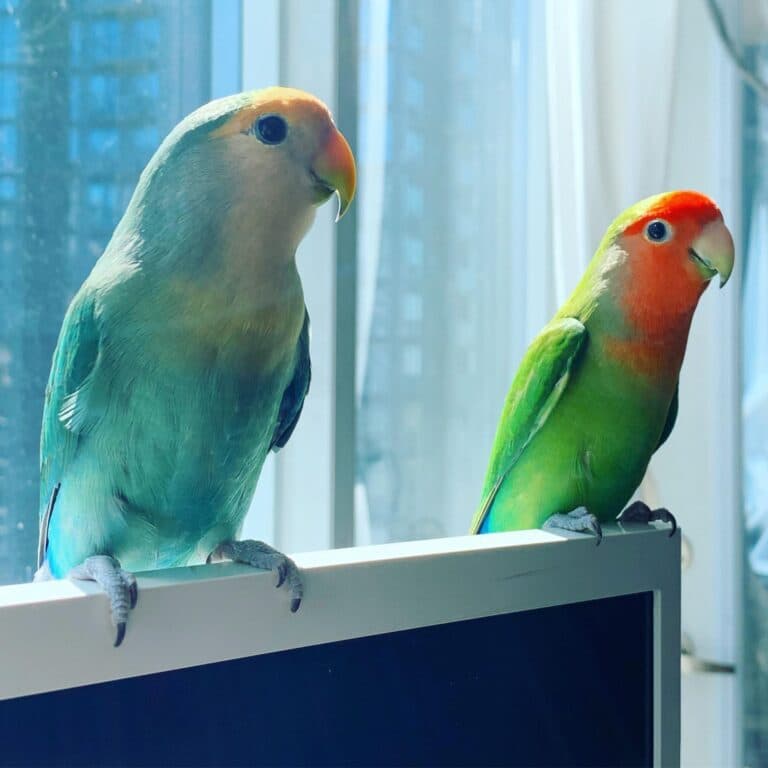
| Peach-faced Lovebird | Agapornis roseicollis |
Verified 28 July 2026 against the official Checklist of CITES Species, published by UNEP-WCMC on behalf of the CITES Secretariat: the order Psittaciformes is listed at order level with the annotation “Included in Appendix II, except for the species included in Appendix I and Agapornis roseicollis, Melopsittacus undulatus, Nymphicus hollandicus and Psittacula krameri, which are not included in the Appendices.” A record-by-record check of all 459 Psittaciformes entries in the checklist returns exactly these four species as not currently listed. Listings can change at each Conference of the Parties, so re-check your own species before you travel.
Read More: The Only Four Parrots CITES Doesn’t TouchShow Less
Even if your bird is one of these four, “no CITES permit” doesn’t mean “no paperwork.” You may still need a CFIA health certificate or import declaration depending on direction of travel — that’s a separate system, covered in our plain-English guide to the CFIA rules for bringing a bird into Canada.
African Greys: The Mistake That’s Still Circulating Online
For years, African Grey Parrots and Timneh Parrots sat in CITES Appendix II, which meant a single export permit usually covered a border crossing. That changed on 2 January 2017: both species were uplisted to Appendix I following the CoP17 decision, and they have stayed there since. If you own a grey, you need both an export permit from the country you’re leaving and an import permit into the country you’re entering — not just one.
A lot of older blog posts, forum threads, and even some pet-store advice still describe greys as Appendix II. That advice is out of date. Confirm the current listing for your specific bird against CITES’ own species database rather than a secondary source (CITES Species+ / checklist database).
Appendix I Vs Appendix II: What Actually Changes For You
| Appendix | What it means for commercial trade | What a pet owner needs to move the bird |
|---|---|---|
| Appendix I | Trade for commercial purposes is essentially prohibited; the species is considered threatened with extinction | An export permit from the country of origin AND an import permit into the destination country, both issued before travel |
| Appendix II | Trade is legal but controlled to prevent it becoming a threat | An export permit from the country of origin; Canada also expects a matching CITES paperwork trail on entry even though the treaty itself doesn’t mandate a separate import permit for Appendix II |
| Not listed | Not regulated by CITES at all | No CITES permit — but non-CITES import/health rules may still apply |
Verified 28 July 2026. Environment and Climate Change Canada sets this out directly. For an Appendix II specimen, importing into Canada requires the exporting country’s CITES export permit, and there is no Canadian import permit. Exporting from Canada requires a Canadian CITES export permit. (For comparison, Appendix I needs a Canadian import permit and an export permit from the country you are leaving.) ECCC also notes that for exports the destination country may require an import permit of its own, so check both ends.
Species-By-Species Lookup: Is Your Parrot Listed?
This covers the parrots Canadian households most commonly keep. Taxonomy and listings are amended at each Conference of the Parties, so treat this as a starting point and confirm your exact species against the live CITES checklist before you apply for anything.
Appendix I — Both An Export And An Import Permit
| Common name | Scientific name |
|---|---|
| African Grey Parrot | Psittacus erithacus |
| Timneh Parrot | Psittacus timneh |
| Hyacinth Macaw | Anodorhynchus hyacinthinus |
| Blue-throated Macaw | Ara glaucogularis |
| Military Macaw | Ara militaris |
| Great Green (Buffon’s) Macaw | Ara ambiguus |
| Red-fronted Macaw | Ara rubrogenys |
| Scarlet Macaw | Ara macao |
| Moluccan Cockatoo | Cacatua moluccensis |
| Palm Cockatoo | Probosciger aterrimus |
| Red-vented (Philippine) Cockatoo | Cacatua haematuropygia |
| Yellow-crested Cockatoo | Cacatua sulphurea |
| Yellow-headed Amazon | Amazona oratrix |
| Yellow-naped Amazon | Amazona auropalliata |
| Red-crowned Amazon | Amazona viridigenalis |
| Cuban Amazon | Amazona leucocephala |
| Goffin’s Cockatoo | Cacatua goffiniana |
Appendix II — An Export Permit, And Usually Matching Paperwork On Entry
| Common name | Scientific name |
|---|---|
| Blue-and-gold Macaw | Ara ararauna |
| Green-winged Macaw | Ara chloropterus |
| Severe (Chestnut-fronted) Macaw | Ara severus |
| White (Umbrella) Cockatoo | Cacatua alba |
| Sulphur-crested Cockatoo | Cacatua galerita |
| Galah (Rose-breasted Cockatoo) | Eolophus roseicapilla |
| Bare-eyed Cockatoo (Little Corella) | Cacatua sanguinea |
| Blue-fronted Amazon | Amazona aestiva |
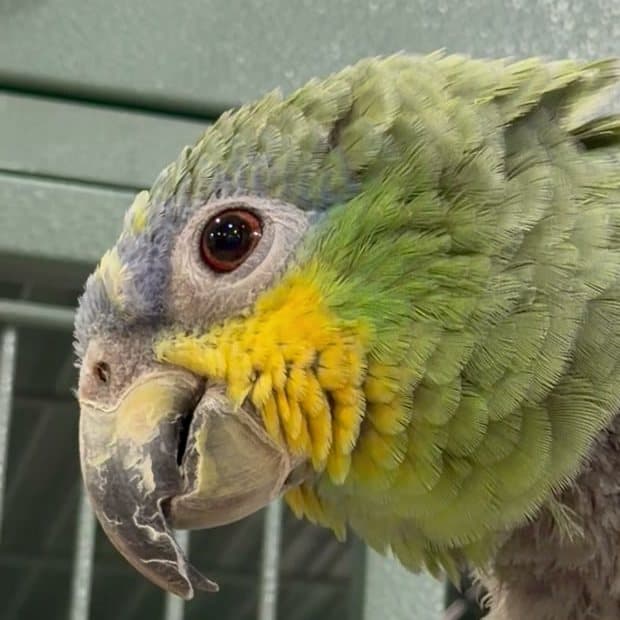
| Orange-winged Amazon | Amazona amazonica |
| Mealy Amazon | Amazona farinosa |
| Yellow-crowned Amazon | Amazona ochrocephala |
| Eclectus Parrot | Eclectus roratus |
| Senegal Parrot | Poicephalus senegalus |
| Meyer’s Parrot | Poicephalus meyeri |
| Red-bellied Parrot | Poicephalus rufiventris |
| Brown-headed Parrot | Poicephalus cryptoxanthus |
| Cape Parrot | Poicephalus robustus |
| Alexandrine Parakeet | Psittacula eupatria |
| Plum-headed Parakeet | Psittacula cyanocephala |
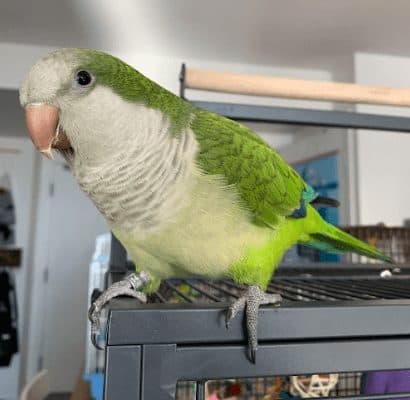
| Monk (Quaker) Parakeet | Myiopsitta monachus |
| Sun Conure | Aratinga solstitialis |
| Jenday Conure | Aratinga jandaya |
| Nanday (Black-hooded) Conure | Aratinga nenday |
| Green-cheeked Conure | Pyrrhura molinae |
| Blue-crowned Conure | Aratinga acuticaudata |
| Patagonian Conure | Cyanoliseus patagonus |
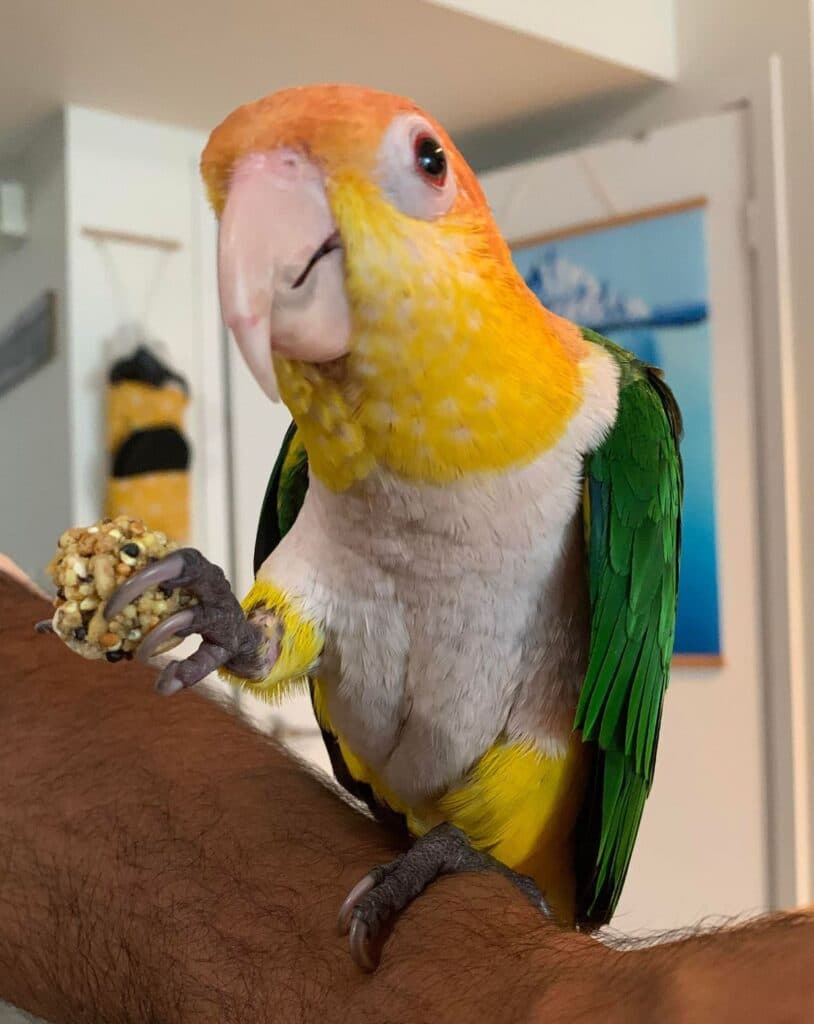
| White-bellied Caique | Pionites leucogaster |
| Black-headed Caique | Pionites melanocephala |
| Blue-headed Pionus | Pionus menstruus |
| Vasa Parrot | Coracopsis vasa |
| Hawk-headed (Red-fan) Parrot | Deroptyus accipitrinus |
| Rainbow Lorikeet | Trichoglossus moluccanus |
| Kea | Nestor notabilis |
| Fischer’s Lovebird | Agapornis fischeri |
| Masked Lovebird | Agapornis personatus |
| Black-cheeked Lovebird | Agapornis nigrigenis |
| Pacific Parrotlet | Forpus coelestis |
Verified 28 July 2026. Every species in these tables was checked individually against the official Checklist of CITES Species (UNEP-WCMC for the CITES Secretariat). One correction resulted: Goffin’s Cockatoo was moved from Appendix II to Appendix I. Four birds are filed by CITES under a different scientific name than the one in common use — the Timneh parrot under Psittacus erithacus, the Nanday conure under Nandayus nenday, the black-headed caique under Pionites melanocephalus, and the rainbow lorikeet under Trichoglossus haematodus. If you search the checklist and get no match, that is almost always a naming difference and not evidence your bird is unlisted. Species can move between appendices at each Conference of the Parties, so re-check before you travel.
Don’t see your species, or own a hybrid, subspecies, or a bird you’re not 100% sure how to identify? Contact ECCC directly rather than guessing — misidentifying a hybrid at the border is one of the more common ways owners end up in a permit dispute they didn’t see coming.
The Certificate Of Ownership: The Paperwork Most Owners Never Hear About
If you travel internationally with the same bird more than once — a snowbird who winters south with a grey, for example — applying for a fresh export and import permit on every single trip is genuinely unworkable. CITES has a mechanism for exactly this: a personal ownership certificate, recognised under CITES Resolution Conf. 12.3, that documents a specimen as a bona fide pet rather than a commercial shipment and can cover repeat non-commercial crossings without a brand-new permit application each time.
Read More: The Certificate Of Ownership: The Paperwork Most OwnersShow Less
Worth checking: with Environment and Climate Change Canada whether it currently issues this certificate for Appendix I companion parrots, the exact application process and fee, and how long a single certificate remains valid for repeat crossings — we could not confirm this from an official source. Check with the agency listed at the bottom of this page before you rely on it.
What About Appendix III?
You may have read that some parrots sit in Appendix III, the tier reserved for species a single country has asked CITES to help monitor. As of the current Appendices, there are no parrot species listed in Appendix III. If you’ve seen a claim online that a specific companion parrot is in Appendix III, treat it as outdated or mistaken rather than acting on it.
Read More: What About Appendix IIIShow Less
Verified 28 July 2026 against the official Checklist of CITES Species, published by UNEP-WCMC on behalf of the CITES Secretariat: a record-by-record check of all 459 Psittaciformes entries — order, family, genus and species — returns no parrot taxon in Appendix III at any rank. Note that Appendix III entries can be added or withdrawn by an individual country at any time, outside the normal Conference schedule. Listings can change at each Conference of the Parties, so re-check your own species before you travel.
CITES Is Not The Same Thing As A Health Import Permit
A CITES permit proves your bird’s international movement doesn’t threaten a protected species. It says nothing about avian influenza testing, quarantine, or the paperwork Canada requires for animal health reasons — those are handled separately by the CFIA. You can hold a perfectly valid CITES permit and still be turned back at the border for missing an unrelated health document, or vice versa.
Read More: CITES Is Not The Same Thing As AShow Less
If you’re bringing a bird into Canada, our CFIA import guide walks through that side in plain English, and if you’re specifically crossing the Canada–US land border, see our Canada–US border walkthrough. If CITES paperwork is only one piece of a bigger international move, our complete guide to moving abroad with a pet bird covers the whole sequence.
Frequently Asked Questions
Does My Budgie Or Cockatiel Need A CITES Permit To Cross The Border?
No — budgerigars and cockatiels are two of the four parrot species not listed under CITES at all, so no CITES export or import permit applies to them. Verified 28 July 2026 against the official Checklist of CITES Species, published by UNEP-WCMC on behalf of the CITES Secretariat: the order Psittaciformes is listed at order level with the annotation “Included in Appendix II, except for the species included in Appendix I and Agapornis roseicollis, Melopsittacus undulatus, Nymphicus hollandicus and Psittacula krameri, which are not included in the Appendices.” A record-by-record check of all 459 Psittaciformes entries in the checklist returns exactly these four species as not currently listed. Listings can change at each Conference of the Parties, so re-check your own species before you travel. You may still need CFIA-related paperwork depending on direction of travel.
Read More: Frequently Asked Questions · 3 min readShow Less
I Was Told African Greys Only Need An Export Permit. Is That Still True?
No. Since 2 January 2017, African Grey and Timneh Parrots have been in CITES Appendix I, which requires both an export permit from the country you’re leaving and an import permit into the country you’re entering.
How Long Does A CITES Permit Take To Process In Canada?
Verified 28 July 2026. ECCC publishes a service standard: a decision within 35 calendar days for all CITES permit types other than hunting-trophy exports (21 days) and polar-bear exports (70 days). Two details matter more than the number. The clock starts on the date ECCC receives the application — not the date you send it. And if the application is incomplete, ECCC notifies you and the time limit is paused until the missing information arrives, so an incomplete application does not quietly queue, it stops the clock. Note also that ECCC’s Certificate of Ownership form page quotes a longer figure — 40 days — so plan on the longer one.
How Much Does A CITES Permit Cost?
Verified 28 July 2026. There appears to be no prescribed fee. The Wild Animal and Plant Protection and Regulation of International and Interprovincial Trade Act contemplates one — an application must “be accompanied by the prescribed fees” — but the only regulation made under that Act, the Wild Animal and Plant Trade Regulations (SOR/96-263), contains no fee provision at all; the word “fee” does not appear in it. Read that precisely: it is a statement about what the law prescribes, not ECCC confirming it charges nothing, and it does not rule out a charge levied under some other authority. Confirm with ECCC rather than assuming your permit is free.
My Parrot Is A Hybrid, Or I’m Not Sure Of The Exact Species. What Do I Do?
Don’t guess. Get a written identification from your avian vet and confirm the listing status with Environment and Climate Change Canada before applying — hybrids and look-alike species are a common source of border delays.
Does A Captive-Bred Bird Still Need A CITES Permit?
Usually yes, if the species is listed — being captive-bred affects which permit category applies, not whether CITES applies at all. Worth checking: exact captive-bred permit provisions and any exemption thresholds — we could not confirm this from an official source. Check with the agency listed at the bottom of this page before you rely on it.
Can I Get A CITES Permit Myself, Or Do I Need Someone Else To Handle It?
CITES permit applications go through Environment and Climate Change Canada as Canada’s CITES Management Authority; there is no requirement to use a broker or third party for a personal pet application. Worth checking: current application channel and any required supporting documents — we could not confirm this from an official source. Check with the agency listed at the bottom of this page before you rely on it.
What Happens If I Travel With A Listed Parrot And Don’t Have The Permit?
Outcomes can include the bird being refused entry, held, or seized by border authorities, and are decided case-by-case at the border — this isn’t something to test. Confirm your species’ status and get the correct permit in hand before you travel.
If your move is stalled while permits are in process, that’s exactly the gap our boarding exists for — a stable place for your bird to stay in the GTA while you sort out the paperwork, rather than rushing a trip before you’re ready. Contact us for a quote.
The Step That Gets Missed: Your Permit Has To Be Validated On The Way Out
A permit in your hand is not the last piece of this. Environment and Climate Change Canada states that before you export anything from Canada protected by CITES, your Canadian CITES permit must be checked (validated) and your shipment inspected by the Canada Border Services Agency at the place where it leaves the country — land border, airport or seaport — and that this is a condition of your permit.
Read More: The Step That Gets Missed: Your Permit HasShow Less
Validation is a specific, physical act: a CBSA officer fills out box 17, labelled “For customs use only”, on each permit. ECCC is blunt about what happens if that does not occur — “If your permit is not validated by the CBSA it will not be accepted. Your shipment may be held or even seized by customs in the country you are sending it to.”
Two things follow from that, and both are worth building into your travel day. Find the CBSA officer before you clear security or drop your bird at the cargo counter, not after. And do not expect to fix an omission later: ECCC states plainly that permits will not be issued retroactively, and that if you do not have the proper permit, “border officers can hold and seize the item, and you will not be able to get a permit afterward to release it.”
Related Guides In This Series
- Moving Abroad and You Can’t Take Your Bird: Board, Rehome, or Wait
- Which Parrot Species Are Hardest to Move Internationally (CITES Tiers Explained)
- Importing a Pet Bird to Canada: The Complete CFIA Guide (2026)
- Bringing a Pet Bird to Canada From Outside the US: Why You Need a Permit
- Long-Term Bird Boarding While You Relocate: 30, 60 and 90+ Days
- Taking Your Bird from Canada to the United States: Driving vs Flying
Who To Call Before You Travel
Confirm every requirement below with the agency itself. These are the people who can actually authorise your bird’s movement — we cannot.
Read More: Who To Call Before You TravelShow Less
Every number below was checked against the agency’s own website on 27 July 2026. Government phone numbers and web pages still change without notice. If one does not connect, find the agency through its own official site rather than trusting what is printed here.
- Canadian Food Inspection Agency (CFIA) — import and export of live birds, health certificates, permits: 1-800-442-2342 from Canada and the US, or 1-613-773-2342 local and international, 8 am to 7 pm EST Monday to Friday except holidays. CFIA names services related to travelling with pets as something its area offices handle — for the GTA that is the Mississauga animal health office, 289-247-4100, 8 am to 4 pm
· inspection.canada.ca - Environment and Climate Change Canada — CITES permitting — export and import permits for CITES-listed species, and what documents exist for repeat crossings:
1-855-869-8670
· cites@ec.gc.ca - Canada Border Services Agency — what happens at the border itself, declarations and inspection fees: 1-800-461-9999, Monday to Friday 8 am to 4 pm local time. Press 0 to reach an agent; CBSA’s published service standard is to answer within 20 minutes
- USDA APHIS — the US pet-travel hub, with separate paths for import, export and interstate movement, and the list of which birds count as pets at all:
aphis.usda.gov/pet-travel - US Fish & Wildlife Service — CITES and Wild Bird Conservation Act permits, applied for through the ePermits portal at fws.gov/permits. The agency contact centre is 1-800-344-9453
· info@fws.gov
What We Can And Cannot Help With
We cannot help with paperwork. Bird Sitting Toronto is a bird boarding and care business. We are not a customs broker, an immigration consultant, a veterinary practice or a legal adviser. We do not file permits, complete applications or deal with any agency on your behalf, and we cannot guarantee any outcome at any border. Everything on this page is information only.
Read More: What We Can And Cannot Help WithShow Less
There are two things we can do. If your bird cannot travel with you — because the paperwork is still in progress, the airline will not carry it, or the timing simply does not work — we can board your bird in the GTA for as long as you need, including by the month. And if it becomes clear the bird genuinely cannot come with you, we can help you rehome it to a good home rather than leaving you to sort that out alone.
We publish this guide because our boarding clients ask us about it constantly, and because the answer is genuinely hard to assemble from the primary sources.
Corrections
Where we have found a material error on this page — a wrong fee, day-count, phone number or country status — we fix it and record the fix here rather than editing quietly.
Read More: CorrectionsShow Less
- 27 July 2026 — We had listed 1-800-358-2104 as the US Fish & Wildlife Service Office of Law Enforcement number. That number is widely repeated online but does not appear anywhere on the current fws.gov, so we have replaced it with the contact route the agency does publish — the ePermits portal and its agency contact centre. Every other number in that section was re-checked against the agency’s own website the same day, and CBSA’s border information line has been added.
- 27 July 2026 — Added a section on CBSA validation. An ECCC-issued CITES permit has to be validated by a border services officer at the point of exit — box 17 on the permit — and ECCC states an unvalidated permit will not be accepted and the shipment may be held or seized on arrival. That requirement, and the fact that permits are never issued retroactively, were missing from this page.
- 28 July 2026 — Goffin’s Cockatoo (Cacatua goffiniana) was listed in the Appendix II table. It is in Appendix I, which requires an import permit as well as an export permit. Corrected after checking every species in the tables against the official Checklist of CITES Species.