Why A Parrot Can’t Tell
In the wild, there are specific types of plants that grow in specific climates and regions. Wild parrots know what kinds of plants there are in their geographic region, which they evolved in over thousands of years. Birds learn from the flock and their parents in their native environment about what’s safe to eat or not; however, domesticated parrots do not go through this process to learn in captivity.
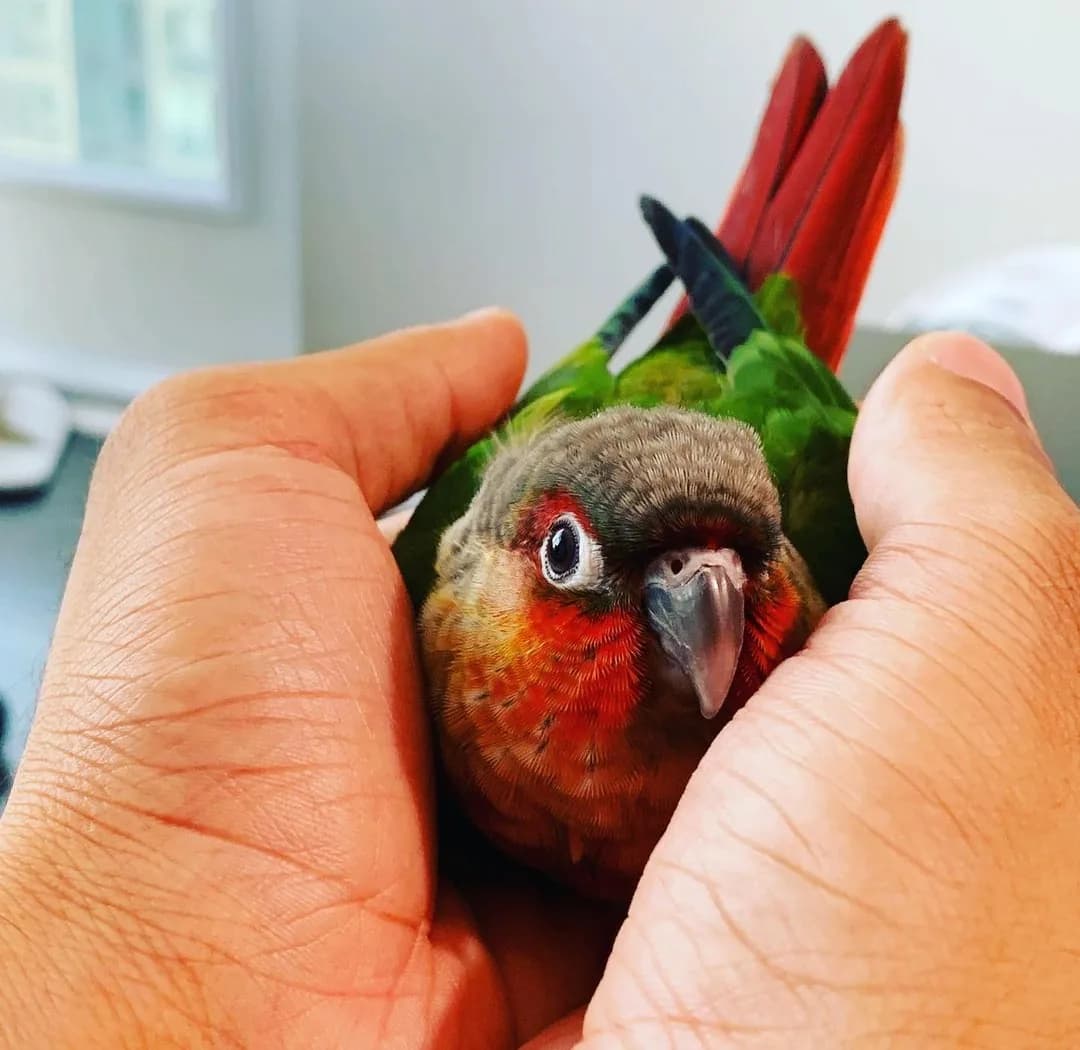
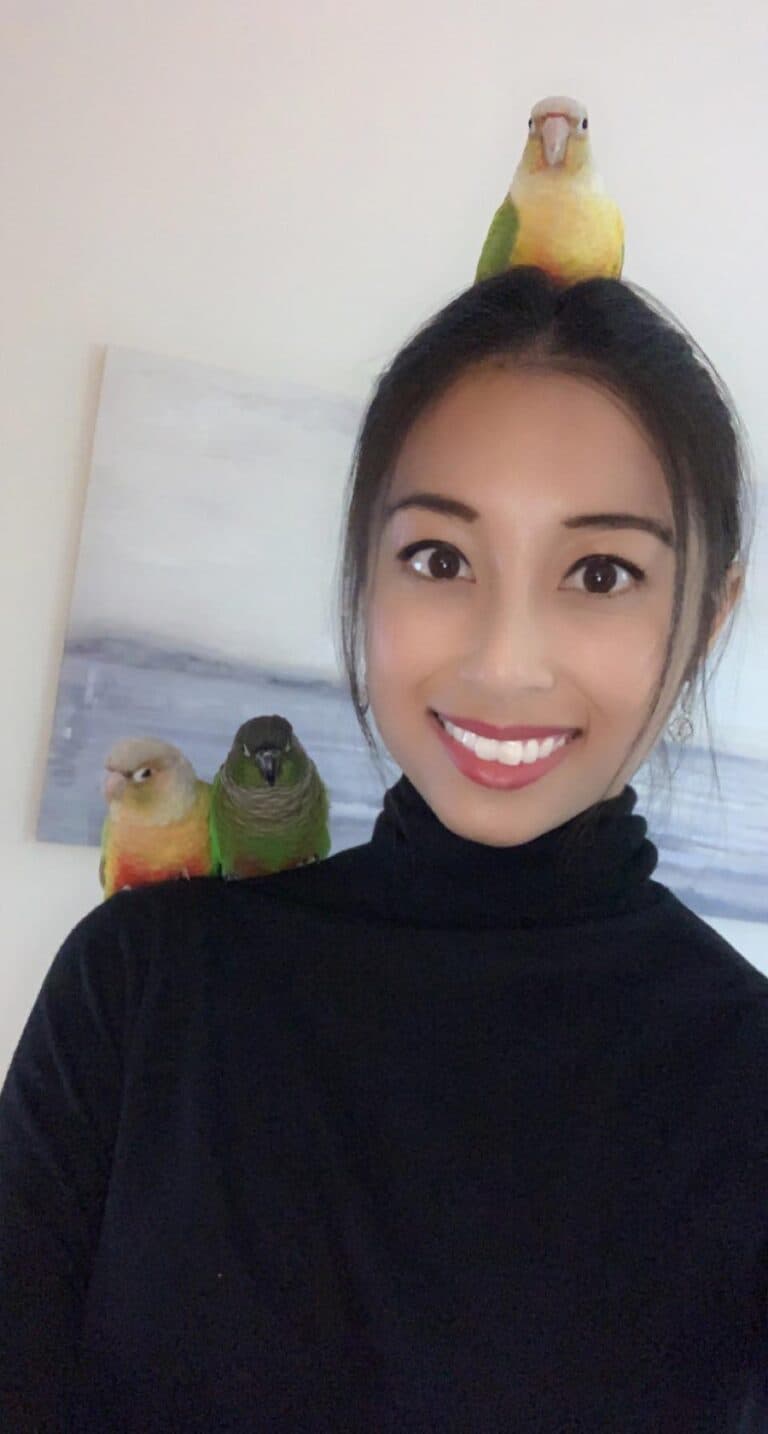
For example, my conure Miko, originating from the Central and South America region, would not be familiar with plants in Toronto, Canada, where we live. On top of that, modern homes can host plants originating from all over the world.
The general rule of thumb is that if you do not know if the plant is safe for your pet bird, assume it isn’t, and don’t let them approach it.
A List Of Plants That Are NOT Safe
- Avocado
- Azalea
- Dieffenbachia
- Elephant’s Ear
- English Ivy
- Holly
- Mistletoe
- Nightshades
- Oleander
- Philodendron
- Poinsettia
- Rhododendron
- Rhubarb
A List Of Plants That Are Safe
- Aloe
- African Violet
- Bamboo
- Christmas, Easter Cactus
- Ferns
- Jade Plant
- Palms
- Spider Plant
If You Suspect Poisoning
Poisoning: If you suspect your bird has ingested something toxic, call your veterinarian immediately. Have your local poison control center phone number readily available. Keep note of the time, as your veterinarian and poison control may need details such as what happened, what’s the potential toxin, and any symptoms your bird is showing.
Parrot Parenting
How to Provide the Best Care for Your Bird
As an Amazon Associate, Bird Sitting Toronto earns from qualifying purchases.