Seeds Vs. Pellets
On the other hand, seeds are high in fat and are often an inadequate source of nutrients. While it’s acceptable to give seeds as an occasional treat or supplement, they should not form the main component of your bird’s diet.
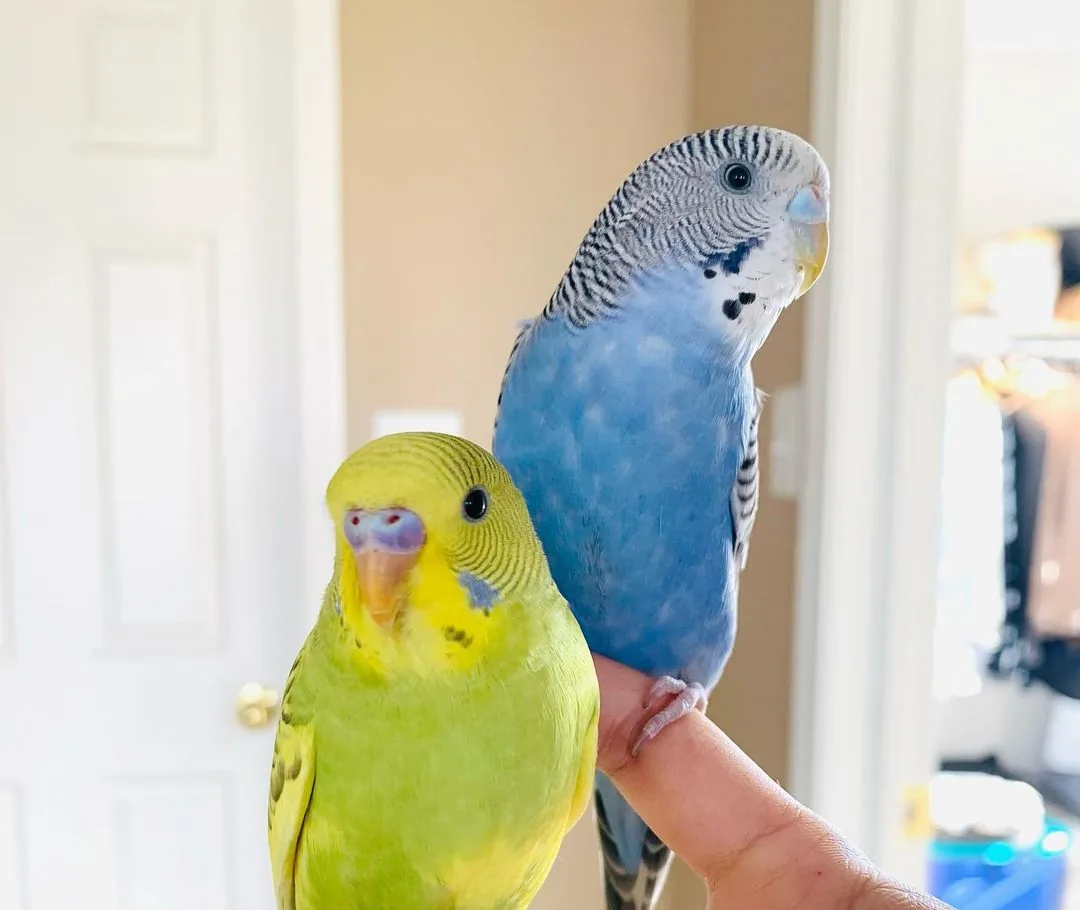
I made the mistake of giving my first budgie, Matcha, a seed only diet for several years which led to her unfortunate premature death by liver disease. Matcha’s passing was the reason why I picked up several books on birds and studied how to provide better care for birds. Matcha is the reason why I try my best to educate others, so they don’t repeat my mistakes.
Making The Dietary Switch
Seeds were the go-to, affordable option for feeding pet birds without much thought. Now, it’s widely understood that seeds lack crucial vitamins and minerals like Vitamin A and Calcium. Now that you understand the distinction between seeds and pellets, you might be pondering how to make this transition. When you do try to make the change for the better, you encounter the real problem with seeds is that most birds won’t eat anything else when they’re given free access to seeds.
Similar to a child pushing aside broccoli to savor french fries, most birds will selectively pick out their preferred seed and use their beaks to toss the rest of the seeds and pellets out of the dish.
So how can you make the switch to pellets?
There are two methods of achieving the switch successfully. The first is to mix pellets into the seed, gradually reducing the amount of seed until only pellets are given. This is the method I have the most experience with.
How The Gradual Transition Is Done
- 1The Pellet Introduction
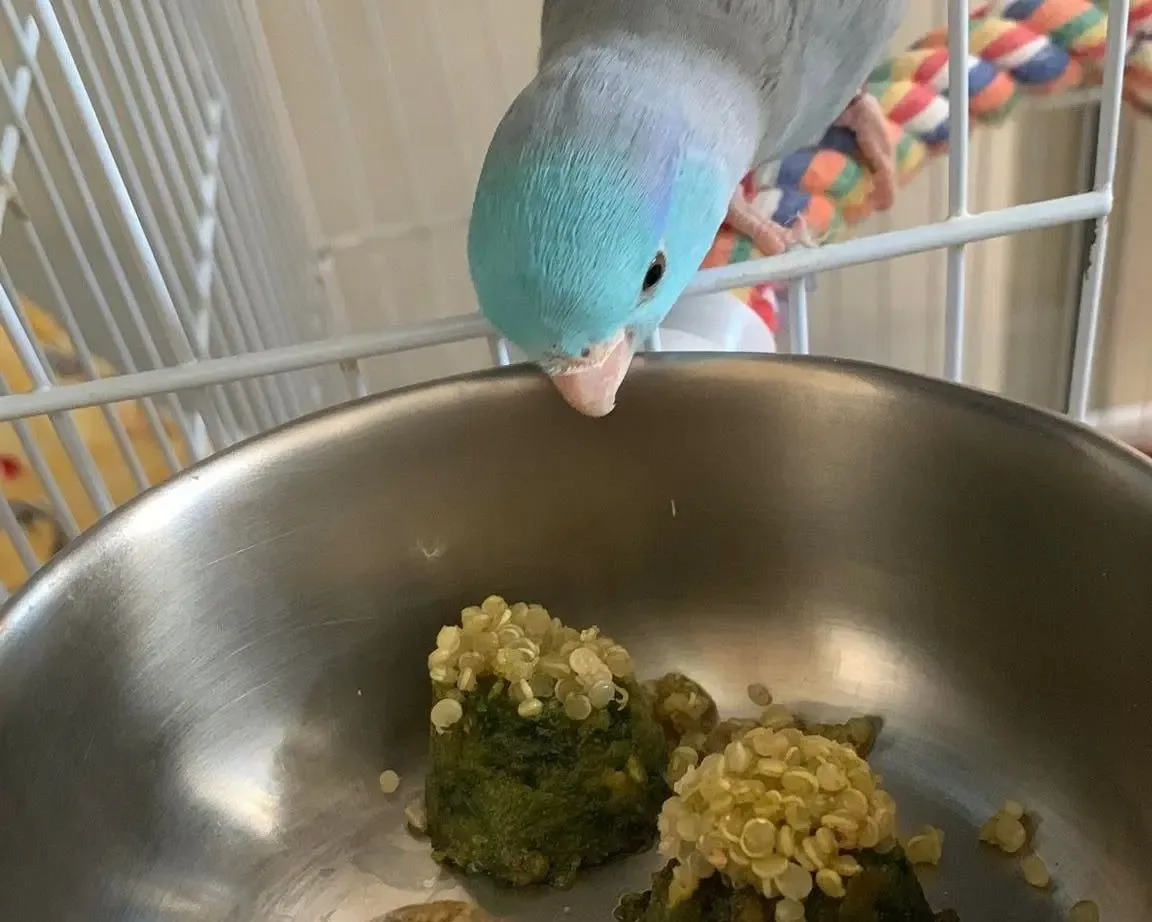
Begin by sprinkling a small amount of these pellets into their regular seed mix for a few weeks. You can be creative to speed up the process. Hand-feed them, add pellets to their fresh fruits and veggies, or casually scatter some on a table when they’re out and about.
- 2Adjusting the Ratio
After the bird has acquainted itself with the pellets, initiate the shift in the seed-to-pellet ratio. Do this gradually, meaning, decrease the seeds and up the pellets slowly. The goal is to have them finish off the seeds while maintaining an interest in nibbling on the pellets.
- 3Watchful Observation
As you observe, you’ll see the bird engaging with the pellets—whether for a playful toss or a taste test. This is the cue for a slight adjustment. Provide a small portion of seeds in their regular dish while situating a dish of pellets closer to their favorite spot. You’ll notice their growing affinity for pellets when you spot changes in the color and texture of their droppings or discover crumbled pellets at the bottom of the dish.
- 4Unity in Flock
If you’re a proud caretaker of a flock, this transition will likely be quicker. Birds tend to eat more when there’s a little friendly competition. So, don’t be surprised if the pellets disappear faster when you’ve got more than one beak to feed. It’s a chain reaction, essentially. One starts pecking, and the rest swiftly join in.
This is how my flock of six budgies quickly started eating bird chop. It didn’t take long for them to adapt; as they observed each other pecking at it, eating became a competitive activity. Now, they race to get the chop every time I introduce it.
- 5Goodbye Seeds
At last, the moment has come to bid farewell to seeds. However, patience is key. Aim for a smooth transition. So, gradually cut back on the seeds until they’re completely off the menu. Monitor your bird’s droppings and overall behavior throughout this period. A healthy bird is a happy bird. If you notice anything unusual—like a lack of droppings or significant changes in behavior—do not hesitate to seek advice from a veterinarian.
- 6Patience Pays Off
This can be frustrating if it’s taking longer than we expected. But remember, Rome wasn’t built in a day. Patience and persistence are key in this transition. The ultimate goal is to ensure your birds are getting all the nutrients they need for a healthy life. So, keep monitoring their progress and tweak your approach if necessary.
How Cold Turkey Is Done
The second method is to monitor the droppings and switch your bird directly to pellets, going “cold turkey”.
- 1Perfect Timing
Timing is everything. We wouldn’t want to stress our bird with diet changes right after a major upheaval, such as a move, an illness, a new cage, or a change of ownership. Therefore, look for a couple of peaceful days when life is as routine as it can be.
- 2The First Day - Clean Slate
Begin the day by thoroughly cleaning the cage, eliminating any visible seeds. Substitute them with pellets. Line the cage’s bottom with fresh newspaper. This will help you in closely monitoring the droppings.
- 3Bird Poop Detective
You’re going to see some changes in the droppings throughout the day. Initially, they should look normal - mostly green with a hint of white. However, if your bird delays trying the new food, you’ll notice their droppings reducing in size with less green. The green part signifies food in their system. Keep a close watch!
- 4The Second Day - Observation Continues
You’re likely to wake up to a sight of scattered and crumbled pellets. While this could just mean your bird had some playtime, it could also mean they had a taste. Check the newest droppings. Are they larger with more green? If yes, then we might be making progress. However, don’t rush into putting seeds back just yet. We don’t want to risk a seed relapse. Continue monitoring the droppings for a few more days.
- 5Plan B
If you wake up on day two to find the droppings still tiny, or if you spot two or three all-white droppings in a row, it’s best to stop. These are signs that your bird’s digestive system is empty. Immediately reintroduce seeds and wait at least a week before reattempting. The last thing we want is to risk starvation.
A General Guide
This serves as a general guide, drawn from my personal experience. Keep in mind that every bird is unique and may react differently. If your bird displays signs of distress or if you have any concerns during the diet transition, seek immediate advice from an avian veterinarian. It’s always better to be safe and provide the best care for your bird.
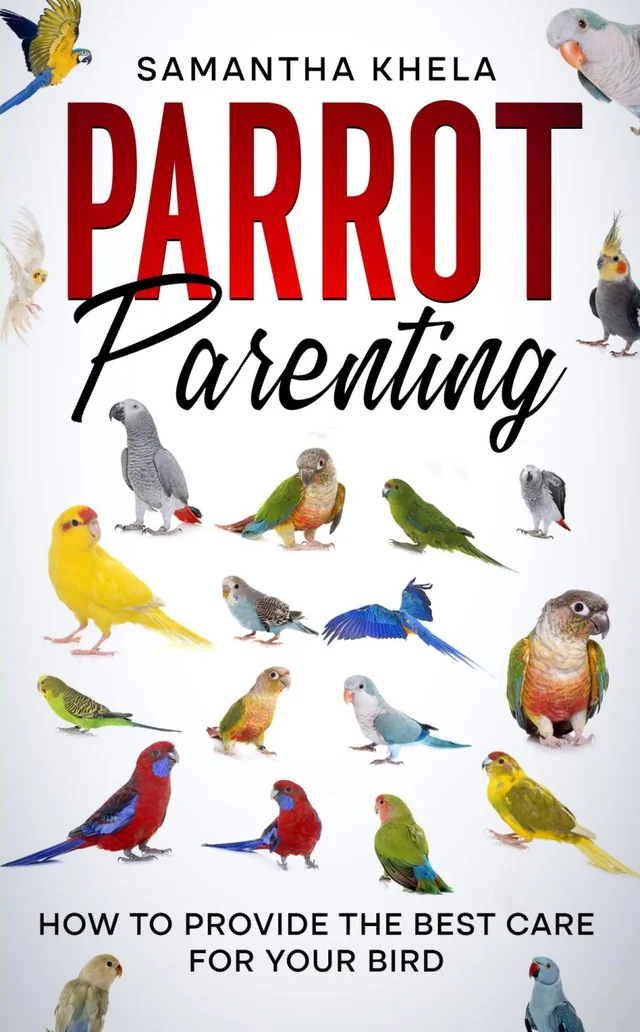
Parrot Parenting
How to Provide the Best Care for Your Bird
As an Amazon Associate, Bird Sitting Toronto earns from qualifying purchases.