What PTFE Is
Polytetrafluoroethylene (PTFE) is a substance commonly found in households due to its use as a non-stick coating on cookware, with Teflon being the most well-known brand name of PTFE-based coatings. Other household sources of PTFE include drip pans, waffle irons, clothing irons, ironing board covers, heating elements, and heat lamps.
When PTFE is heated to over 280℃ (536℉), it can release toxic particles and acidic gases which are harmful when inhaled. These gases are colorless and odorless, so you can’t tell if there’s toxicity in the air.
Why Birds Are At Risk
Birds are particularly vulnerable to PTFE poisoning. Even if birds are not in the same room where Teflon items are used, they can still be at risk of poisoning. Unfortunately, sudden death may be the only sign of PTFE poisoning. I have three HEPA filters in my home, but unfortunately, they will do nothing to protect my birds when it comes to PTFE.
The Signs To Watch For
If your bird gets exposed to PTFE, you might notice signs like agitation, fast or heavy breathing, wheezing, wobbling around, weakness, and even seizures. They might seem sluggish or struggle to stay upright on their perch.
How To Prevent It
The safest way to prevent PTFE poisoning is to get rid of all non-stick products (most commonly kitchen appliances) containing PTFE from the home. If you can’t do that, then at the very least make sure your home is well-ventilated when you use these products—open the windows, crank up the stove fan. Keep your bird out of rooms where you’re using PTFE items, like the kitchen or laundry room. Be careful not to overheat or burn your cookware, and never leave it alone while it’s on the stove.
If Your Bird Is Exposed
If you think your bird’s been exposed to PTFE fumes, get them out of there and into fresh air as soon as possible, then call your veterinarian. Keep in mind, if your bird is really sick from PTFE, it’s going to be a tough road to recovery.
Where The Cage Goes
From Chapter 3: Bird Cages & Accessories
In general, the living room is an excellent location to place a bird cage because it is a room that is often used by the family, which can help keep the bird well-socialized and entertained. However, if you choose to put the cage in the kitchen, be wary for the potential dangers such as gas leaks from old refrigerators, fumes from Teflon-coated pans, hot stoves, open windows and doors, as well as other hazards. It is important to be cautious and take steps to ensure the safety of your bird in the kitchen.
The Book’s SourceVCA Canada. Teflon (polytetrafluoroethylene) poisoning in birds.

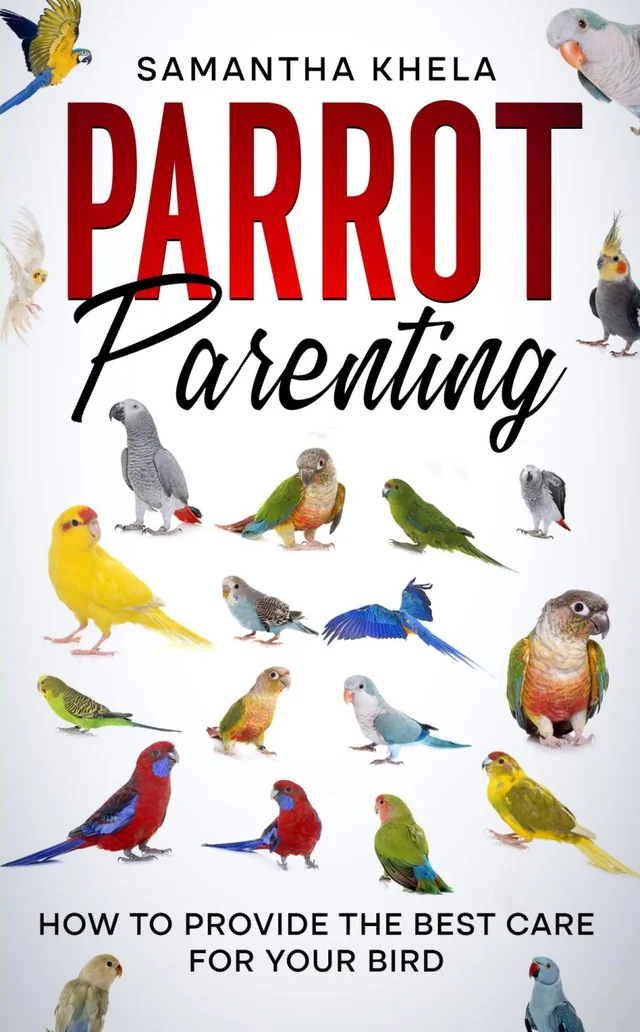
Parrot Parenting
How to Provide the Best Care for Your Bird
As an Amazon Associate, Bird Sitting Toronto earns from qualifying purchases.