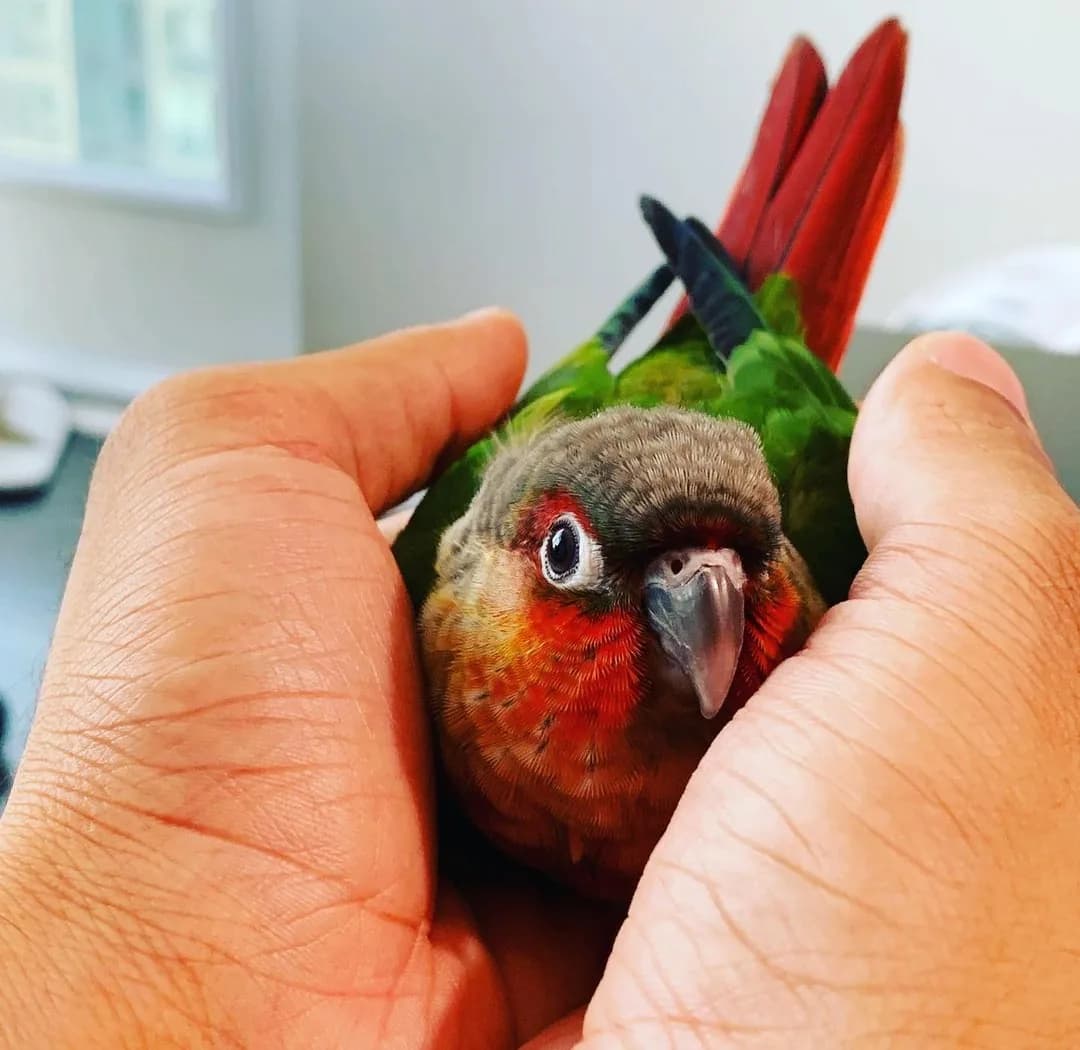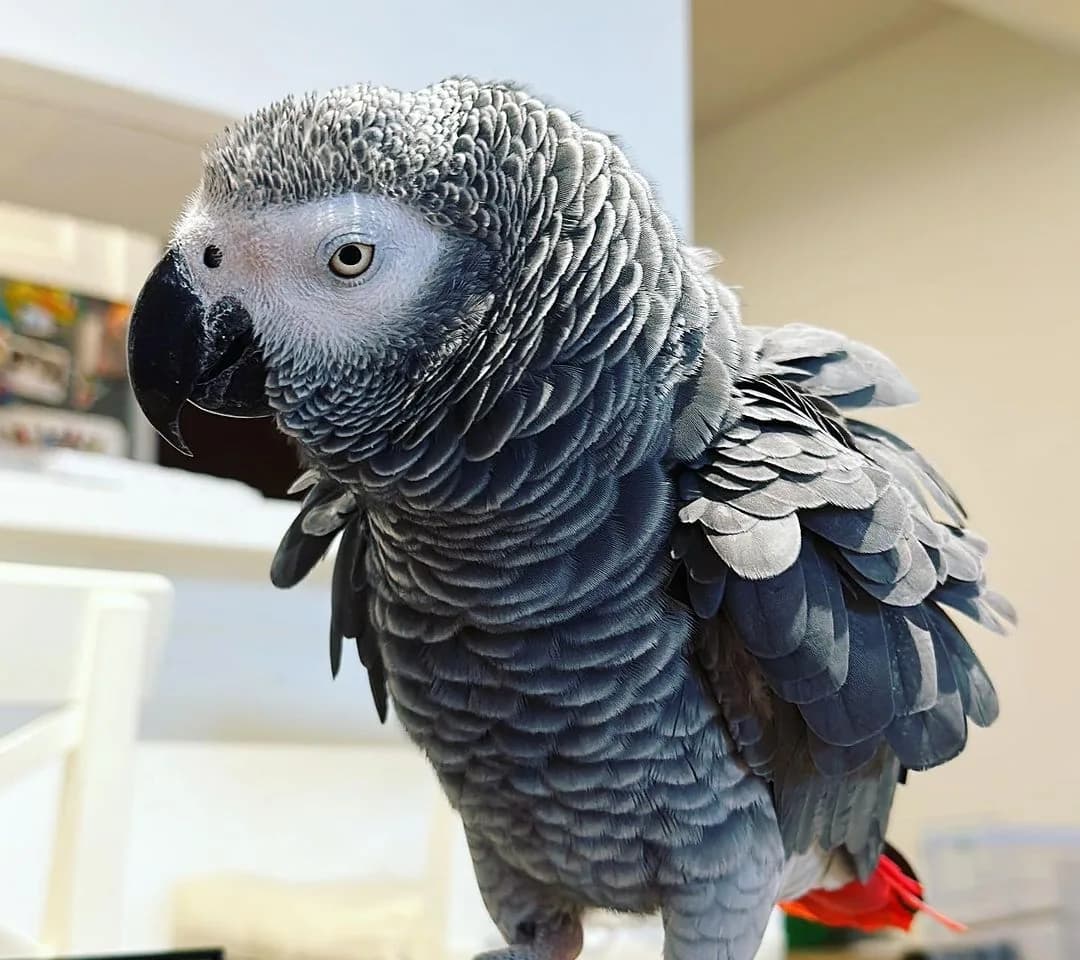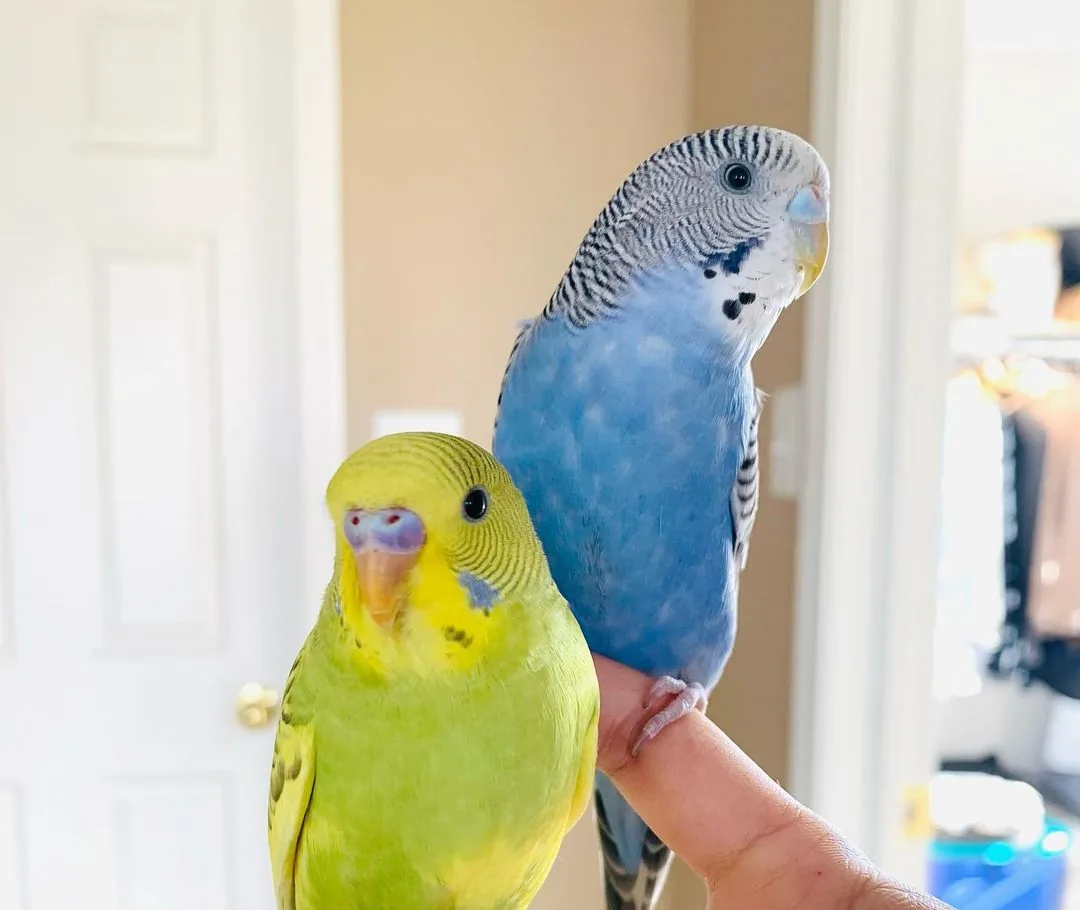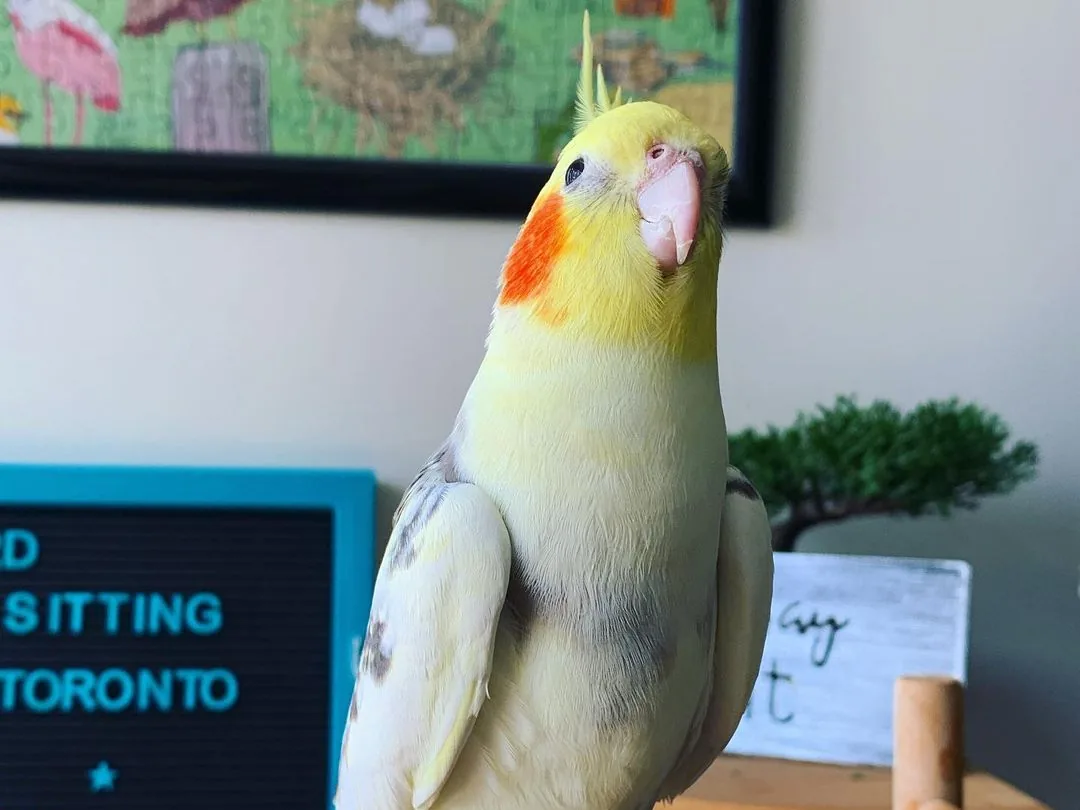
While it’s important to know what foods parrots can safely eat, understanding the ones that can be toxic is equally important. In general, it’s advisable to avoid foods high in salt, fat, sugars, or those containing dyes or preservatives. Here are 11 items to consistently keep off their menu:
11 Items To Keep Off The Menu
- 1Raw meat
Avoid raw meat as it may contain bacteria harmful to birds.
- 2Fruit seeds
Most fruit seeds, such as apple and pear seeds, contain cyanogenic glycosides that can be toxic in large quantities.
- 3Mushrooms
Some mushroom species are toxic to birds and should be avoided.
- 4Alcohol
Alcohol can cause liver and brain damage, leading to death in birds.
- 5Avocado
Avocados contain persin, which is toxic and can cause respiratory distress and death.
- 6Onion
Onions contain sulfoxides and disulfides, which can damage red blood cells, leading to anemia.
- 7Caffeine
Caffeine can cause hyperactivity, irregular heartbeats, and death in birds.
- 8High salt
Excessive salt intake can lead to rapid dehydration and electrolyte imbalances. Canned foods often have a high salt composition.
- 9Garlic
Garlic contains sulfoxides and disulfides, potentially causing damage to red blood cells and leading to anemia.
- 10Dairy
While small amounts of dairy may be acceptable, parrots lack the enzyme lactase, making most dairy products likely to draw fluids into the digestive tract and cause diarrhea.
- 11Chocolate
Chocolate contains theobromine, which can be toxic to birds, causing seizures, vomiting, and heart problems.
Check The Chop
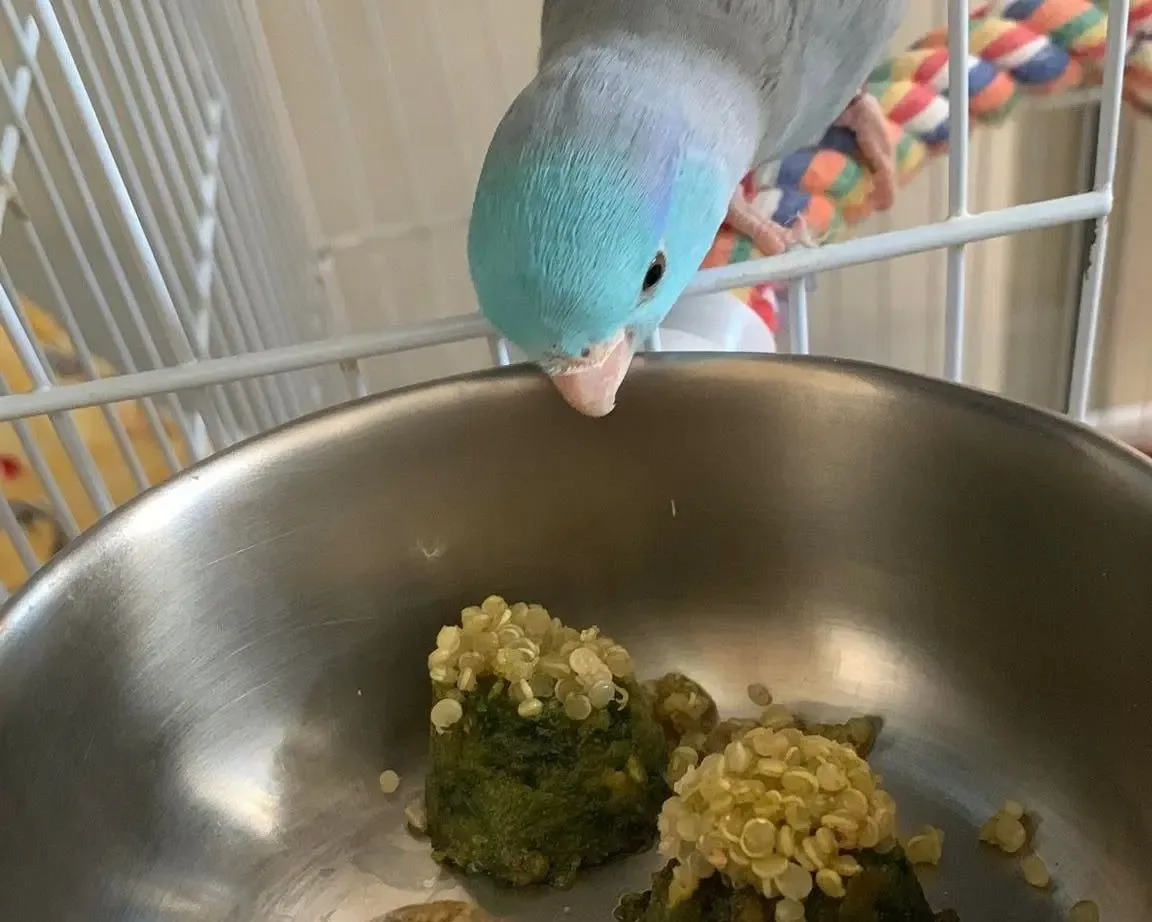
You can include chop as part of your bird’s balanced diet. Chop refers to a processed or finely chopped mixture of vegetables, fruits, nuts, seeds, cooked grains, and other ingredients that can provide essential nutrients and vitamins for your parrot. However, it’s important to ensure that the chop you make or buy does not contain toxic ingredients, as some human food can be harmful to them.
If You Suspect Poisoning
From Chapter 5: Bird’s Well-being
Poisoning: If you suspect your bird has ingested something toxic, call your veterinarian immediately. Have your local poison control center phone number readily available. Keep note of the time, as your veterinarian and poison control may need details such as what happened, what’s the potential toxin, and any symptoms your bird is showing.
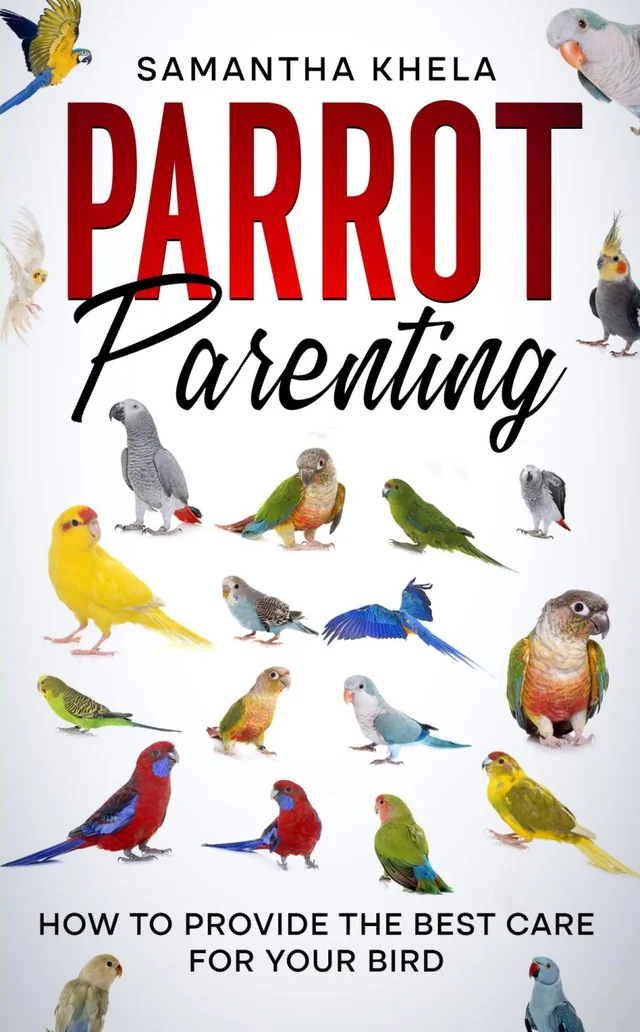
Parrot Parenting
How to Provide the Best Care for Your Bird
As an Amazon Associate, Bird Sitting Toronto earns from qualifying purchases.