
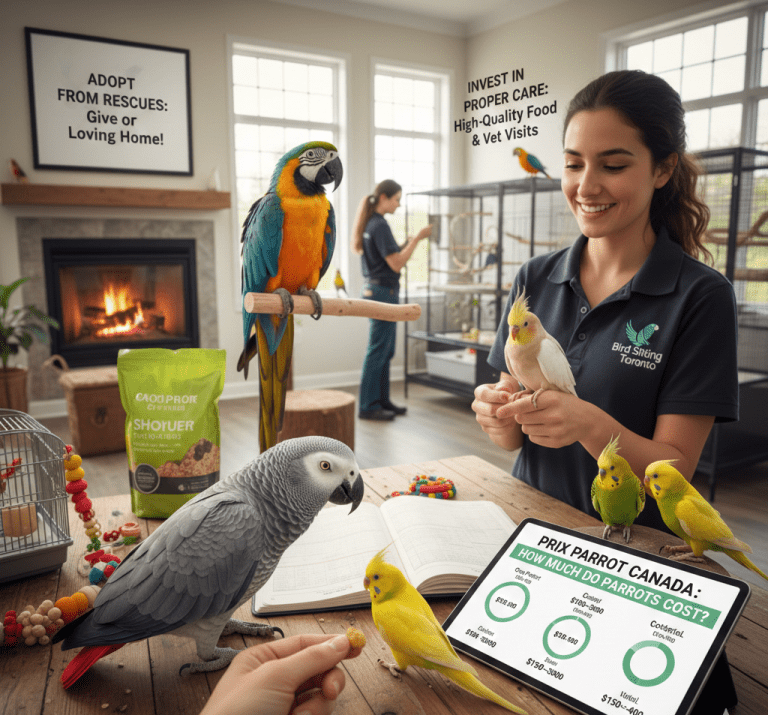
Avian Vet in Toronto, GTA & Mississauga: Expert Care for Your Feathered Friend

Avian Boarding in Toronto

Are you planning a trip but worried about leaving your feathered friend behind? Look no further! At Bird Sitting Toronto, we understand the importance of providing exceptional care for your avian companions while you’re away. Our team of experienced bird sitters is here to ensure your birds receive the love, attention, and care they deserve, right here in Toronto.

Why Does Your Bird Need an Avian Vet?

Birds are masters at hiding signs of illness, a survival instinct that can make early detection challenging for owners. Their anatomy and metabolism are vastly different from cats and dogs, meaning a general vet often lacks the specific knowledge to diagnose and treat avian conditions effectively.

An avian vet is equipped to handle:

  • Subtle Symptoms: Recognizing the faint signals of disease that a non-avian vet might miss.
  • Specialized Diagnostics: Performing appropriate tests, from fecal analysis to blood work, designed for avian patients.
  • Specific Treatments: Administering medications and performing procedures tailored to a bird’s delicate system.
  • Preventative Care: Offering expert advice on diet, housing, enrichment, and preventative health measures crucial for birds.

For the health and longevity of your avian companion, consulting a veterinarian specializing in birds is not just recommended, it’s essential.

Finding a Trusted Avian Vet in Toronto, GTA & Mississauga

When searching for an avian vet in your area, consider these factors:

  1. Specialization & Experience: Look for a vet who explicitly states “avian” or “exotic” specialization and has significant experience with various bird species. Certifications from organizations like the American Board of Veterinary Practitioners (ABVP) in Avian Practice are a strong indicator of expertise.
  2. Facilities & Equipment: A good avian clinic will have specialized equipment for birds, such as small scales for accurate weight monitoring, appropriate incubators, and specialized tools for delicate procedures like beak or wing trimming.
  3. Emergency Services: Inquire about emergency care options for after-hours or weekend situations.

Client Reviews & Referrals: Seek recommendations from other bird owners or online communities to gauge the clinic’s reputation and quality of care.

Informational Guides & Tips for Avian Health

To complement your avian vet visits, proactive care at home is vital. Here are some essential tips from Bird Sitting Toronto:

Avian Specialist Near You

1. Diet is Key:

  • Question: What is the best diet for my bird?
  • Answer: A common mistake is an all-seed diet. Birds need a balanced diet of high-quality pellets (forming the bulk), fresh vegetables, fruits, and a small amount of appropriate seeds. Avoid avocado, chocolate, alcohol, and caffeine. Consult your avian vet for species-specific dietary recommendations.

2. Observe Daily Behavior:

  • Question: How can I tell if my bird is sick?
  • Answer: Look for subtle changes: fluffed feathers, lethargy, changes in droppings, discharge from nostrils/eyes, labored breathing, decreased appetite or water intake, or changes in vocalization. If you notice any of these, contact your avian vet immediately.

3. Maintain a Clean Environment:

  • Question: How often should I clean my bird’s cage?
  • Answer: Daily spot cleaning is essential. A thorough weekly cleaning of the entire cage, perches, and toys with bird-safe disinfectants (diluted bleach followed by thorough rinsing, or veterinary disinfectants) helps prevent bacterial and fungal growth. Good hygiene is critical for preventing illness.

4. Provide Enrichment:

  • Question: Why is enrichment important for my bird?
  • Answer: Birds are intelligent and active creatures. They need mental stimulation and physical activity to prevent boredom and stress-related behaviors. Provide a variety of safe toys, rotate them frequently, and offer opportunities for foraging and social interaction.

5. Regular Vet Check-ups:

  • Question: How often should my bird see an avian vet?
  • Answer: Even if your bird seems healthy, annual preventative check-ups are crucial. Birds can hide illnesses until they are severe. Regular check-ups allow your vet to establish a baseline, catch issues early, and provide guidance on nutrition and preventative care.

Beyond Veterinary Care: Our Additional Services

Here at Bird Sitting Toronto, we do more than just the temporary care of domesticated birds. We provide one-of-a-kind care for all kinds of domestic exotic birds when their owners travel away from home on holiday. We offer a range of specialized services to ensure your bird’s well-being and your peace of mind:

  • Bird Sitting: Expert, compassionate care for your bird in your home or ours while you’re away.
  • Nail Clipping: Safe and stress-free nail trimming to prevent overgrowth and discomfort.
  • Beak Trimming: Essential for birds with overgrowing beaks that interfere with eating or grooming.
  • Wing Clipping: Performed humanely to ensure your bird’s safety indoors while allowing controlled flight.
  • DNA Sexing: Accurate and reliable sex determination for your bird.
  • Bird Rehoming: A compassionate service to help rehome birds when owners can no longer care for them, finding them loving new homes.

Building Trust and Authority: Government Resources

For additional trusted information on bird care and health, we recommend consulting these reputable government sources:

Get Expert Care for Your Bird Today!

Whether you need reliable bird sitting, professional grooming services, or simply expert advice on avian care, Bird Sitting Toronto is here to help. Our team is passionate about birds and committed to their well-being.

Ready to ensure the best care for your feathered family member?

Samantha Nguyen

Leave a Comment

Your email address will not be published. Required fields are marked *

Latest News