

Best Pet Birds for Beginners

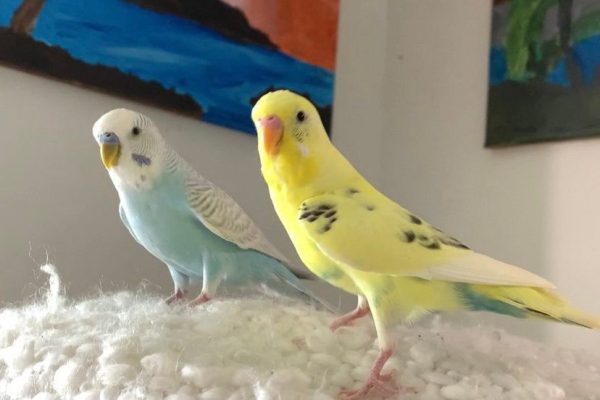
1. Budgerigars (Budgies)
Ideal for: Beginners, families, apartment living
Budgies are one of the most popular pet birds in the world — and for good reason. These small, cheerful parrots are packed with personality, known for their chirpy nature and vibrant colors, and with patience they can learn to mimic words. They need moderate care, enjoy socializing, and thrive on daily interaction.
They require moderate care, enjoy socializing, and thrive when given daily interaction. Whether you’re housing a single budgie or a bonded pair, make sure they have toys and space to fly and play.
Fun Fact: Budgies are capable of learning over 100 words with regular training!

2. Lovebirds
Ideal for: Active owners, experienced bird keepers
Despite their tiny size, lovebirds have a big attitude — energetic, curious, and highly social. Contrary to the myth, they don’t have to be kept in pairs, but a solo lovebird needs daily attention. Their vocalizations are relatively quiet, making them apartment-friendly if kept entertained.
Their vocalizations are relatively quiet compared to larger parrots, which makes them suitable for apartments, provided they’re kept entertained.
Note: Boredom can lead to behavioral issues. Keep them engaged with foraging toys and regular out-of-cage time.

3. Conures
Ideal for: Social homes, noise-tolerant households
Conures are mid-sized parrots with lively personalities and a love of mischief. They adore attention and head scratches, but they’re also known for their volume — expect occasional squawking. They do best with plenty of toys and daily out-of-cage time.
Their active nature means they do best with plenty of toys, daily out-of-cage time, and human interaction.
Engagement Tip: Rotate their toys weekly to prevent boredom and encourage exploration.

4. Pionus
Ideal for: Calm households, first-time parrot owners seeking a quieter bird
Pionus parrots are often overlooked but make exceptional pets — gentle, quieter, and less demanding than larger species. They enjoy social interaction on their own terms, making them ideal for owners who want companionship without constant attention.
While not known for being talkative, Pionus parrots can learn a few words and sounds. What they lack in vocal ability, they make up for in calmness, loyalty, and ease of care. They’re not clingy but do enjoy social interaction on their own terms, making them ideal for people who want companionship without the need for constant attention.
Health Tip: Pionus are prone to respiratory sensitivity, so avoid exposing them to smoke, aerosols, or scented candles.

5. Parrotlets
Ideal for: Active owners, those wanting a “big bird” in a small body
Don’t let their size fool you — parrotlets are bold, curious, and full of sass. They bond strongly with their owners and love one-on-one time, but may become territorial without proper socialization. They can learn tricks and simple words.
They need frequent mental and physical stimulation and can be taught tricks, behaviors, and even simple words.
Behavior Tip: Early training and consistent interaction help keep their confidence in check and their aggression low.

6. Cockatiels
Ideal for: Families, gentle handling, interaction
Recognized by their iconic crested heads and rosy cheeks, cockatiels are affectionate, gentle birds that bond closely with their owners and can be taught to whistle tunes and respond to commands. They do best in homes where someone is around during the day.
They prefer being part of a social routine, so they do best in homes where someone is around during the day. Their calm demeanor also makes them a great choice for children under supervision.
Tip: A mirror in their cage often helps cockatiels feel comforted, especially if they’re solo pets.

7. Ring-Necked Parakeets
11. Ring-Necked Parakeets (Indian or African Ringnecks)
Ideal for: Intermediate to experienced owners, vocal interaction enthusiasts
Ring-Necked Parakeets are striking, intelligent, and highly vocal, capable of a wide vocabulary with clear speech. They can be independent and nippy if not socialized young, and thrive on structure and positive reinforcement.
They’re capable of learning a wide vocabulary, often with impressively clear speech. However, Ringnecks are also independent and can be nippy if not properly socialized from a young age. They thrive on mental stimulation and consistency, making them a great fit for owners who can provide structure and positive reinforcement.
Training Tip: Ringnecks do best with calm, patient handling and respond well to consistent routines and positive behavior shaping.

8. Lineolated parakeets
Ideal for: Apartment dwellers, calm households, gentle handling
affectionately known as “Linnies,” are small, stocky parrots with a laid-back attitude — often described as the quietest and most relaxed of all parakeets. They’re affectionate without being needy and, with consistent handling, can learn basic tricks and a few words.
Linnies are known for their endearing behaviors — such as waddling when they walk and hanging upside down from perches. They are affectionate without being overly needy and enjoy both solo play and gentle interaction with their humans. With consistent handling, they can learn basic tricks and even mimic a few sounds or words.
Housing Tip: Despite their small size, Linnies love to climb and bathe — so provide lots of vertical perches and a shallow dish for daily baths.

9. Quaker Parrots (Monk Parakeets)
Ideal for: Experienced or highly engaged bird owners, talkative homes
Quaker Parrots are highly intelligent, outgoing birds with strong mimicry skills and clear speech. They’re known for building elaborate nests and can be territorial around their cages, so early training and consistent boundaries matter. They thrive on interaction and stimulation.
Quakers are enthusiastic talkers and can develop large vocabularies with clear speech. They’re also known for building elaborate nests, even in captivity, and may exhibit strong territorial behavior around their cages. Early training and consistent boundaries are key to maintaining a positive relationship with a Quaker.
They thrive in social environments and require mental stimulation, consistent interaction, and space to play. If neglected, they can become loud or develop behavioral issues — so they’re best suited for dedicated owners.
Legal Note: Quaker Parrots are considered invasive in some U.S. states and Canadian provinces, so check your local regulations before adopting one.

10. Caiques
Ideal for: Energetic households, playful owners, active environments
Caiques (pronounced “kai-eeks”) are the clowns of the parrot world — full of energy, curiosity, and bold personality. Less known for talking, they excel at entertaining behavior: hopping, wrestling toys, and rolling onto their backs. They need lots of stimulation and social time.
They are less known for talking ability but excel in entertaining behavior — hopping like little wind-up toys, wrestling with toys, and rolling onto their backs. Caiques bond strongly with their humans but can be territorial or feisty without proper training and boundaries.
They need lots of stimulation, space, and social time to avoid boredom and behavioral issues. They’re not ideal for laid-back or hands-off owners, but with the right environment, caiques can be one of the most delightful bird companions.
Fun Fact: Caiques love to “surf” — they’ll often rub their bodies across soft surfaces like towels or shirts in playful excitement.

11. Amazons
Amazon Parrots are intelligent, vibrant birds admired for their talking ability. Care needs vary by species but generally include a spacious cage, a varied diet of pellets and fresh produce, and daily interaction. Noise levels and suitability differ by species, so research the specific type.
Their care requirements can vary by species, but generally involve providing a spacious cage, a varied diet of pellets, fresh fruits and vegetables, and ample opportunities for social interaction and mental stimulation through toys. Daily interaction is important for their well-being.
Fun Fact: Some Amazon parrot species are known for their impressive ability to mimic human speech and even sing songs!
Ideal for: Families willing to dedicate time to interaction and training. Suitability for beginners and apartment living can vary significantly by species due to potential noise levels and specific care needs. Researching individual species is crucial.

Senegal parrots
Senegal parrots, native to the forests of West Africa, are known for their tranquil nature and strong bonds with their owners, which makes them well-suited to apartment living. They typically live 25 to 30 years and, while not the most prolific talkers, can mimic words and household sounds.
If you’re interested in avian companionship without breaking the bank, check out the list of the top 5 cheapest talking parrots available in the market today.
Senegal Parrots are often favored as pets due to their engaging personalities and relatively quieter nature compared to some other parrot species. These intelligent birds are known for their playful antics and can form strong bonds with their owners, often becoming very affectionate companions. While not always the most prolific talkers, many Senegal parrots can learn to mimic words and household sounds.
They require a moderate level of care, thriving on a diet of high-quality pellets, fresh fruits, and vegetables. Providing a cage of appropriate size with plenty of toys is crucial for their mental and physical well-being, as they are active and enjoy chewing and exploring. Daily interaction and out-of-cage time are essential for their social needs.
Fun Fact: Senegal parrots are known for their charming and often comical personalities, and they can develop a strong, loyal bond with their chosen human companion.
Ideal for: Individuals and families who can provide consistent attention, interaction, and a stimulating environment. Their moderate noise level can make them suitable for some apartment living situations, although individual personalities can vary. They may sometimes bond strongly with one person.
Choosing a pet bird isn’t just about picking the prettiest feathers or the best mimic — it’s about finding a species that aligns with your lifestyle, space, time commitment, and personality. Each bird brings its own joys and challenges, and understanding these differences can help you make a decision you and your future feathered friend will both be happy with.
If you’re considering bringing a bird into your life, take your time, do your research, and speak to avian experts or vets. The right match can lead to a rewarding, lifelong companionship.
We take our bird care seriously here at Bird Sitting Toronto to reassure our clients that their feathered friends are safe. Call or text us today to save yourself the stress!




Cargo Hold vs Cabin for Birds: What Really Happens
Can a bird fly in the cargo hold? Here’s what airlines allow, the real risks involved, and why cabin travel is safer for your feathered companion.
Is Flying Safe for a Parrot? What Canadian Law Actually Requires
Is flying stressful for parrots? Learn what Canadian law requires for safe travel and how to tell if your bird is truly ready to fly.
Microchipping and Leg Bands for International Bird Travel
Learn how to microchip your parrot for travel in Canada, plus leg band rules, so your bird meets international ID requirements before you fly.